When you open a wooden puzzle box, it may seem simple:
wooden sheets, printed graphics, instructions, and packaging.
But inside a factory, a wooden puzzle is far more than cut some wood and put it in a box. 

Behind every Robotime wooden puzzle is a surprisingly detailed production system involving board mapping, version control, packaging logic, semi-finished product management, traceability labels, and multiple inspection stages.
In other words:
a puzzle box is actually the result of a carefully designed anti-error workflow.
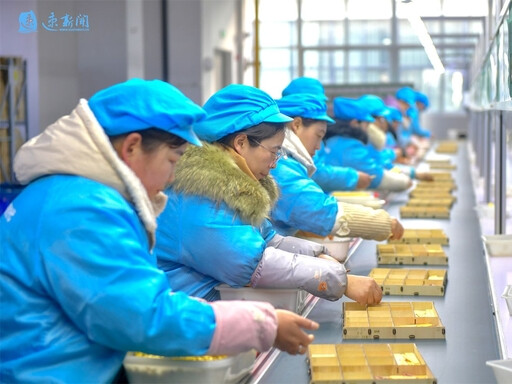
1. In the Factory, a Puzzle First Becomes a “Map of Wooden Boards” 
When you see a finished puzzle, the factory sees many separate wooden boards with different purposes.
Some boards contain the main structural parts.
Others hold decorative pieces.
Some are dedicated to tiny, fragile components that could easily bend or get lost.
Before production even begins, the puzzle has already been divided into many planned “zones”. 
That’s why the wooden sheets inside a puzzle box usually feel organized instead of random. Their layout, direction, and grouping are intentionally designed for inspection, packaging, and easier handling later on.
Even the placement of small parts is carefully considered:
- Tiny pieces shouldn’t be scattered too widely
- Similar-looking pieces should be easier to distinguish
- Fragile corners should avoid pressure-heavy areas
A wooden sheet is not just a place that “holds parts.”
It’s more like a pre-planned miniature map.
By the time the puzzle reaches your hands, many questions like:
“How can this be packed with fewer mistakes?”
“How can pieces be removed more easily?”
“How can fragile parts stay safer during shipping?”
have already been solved inside the factory.
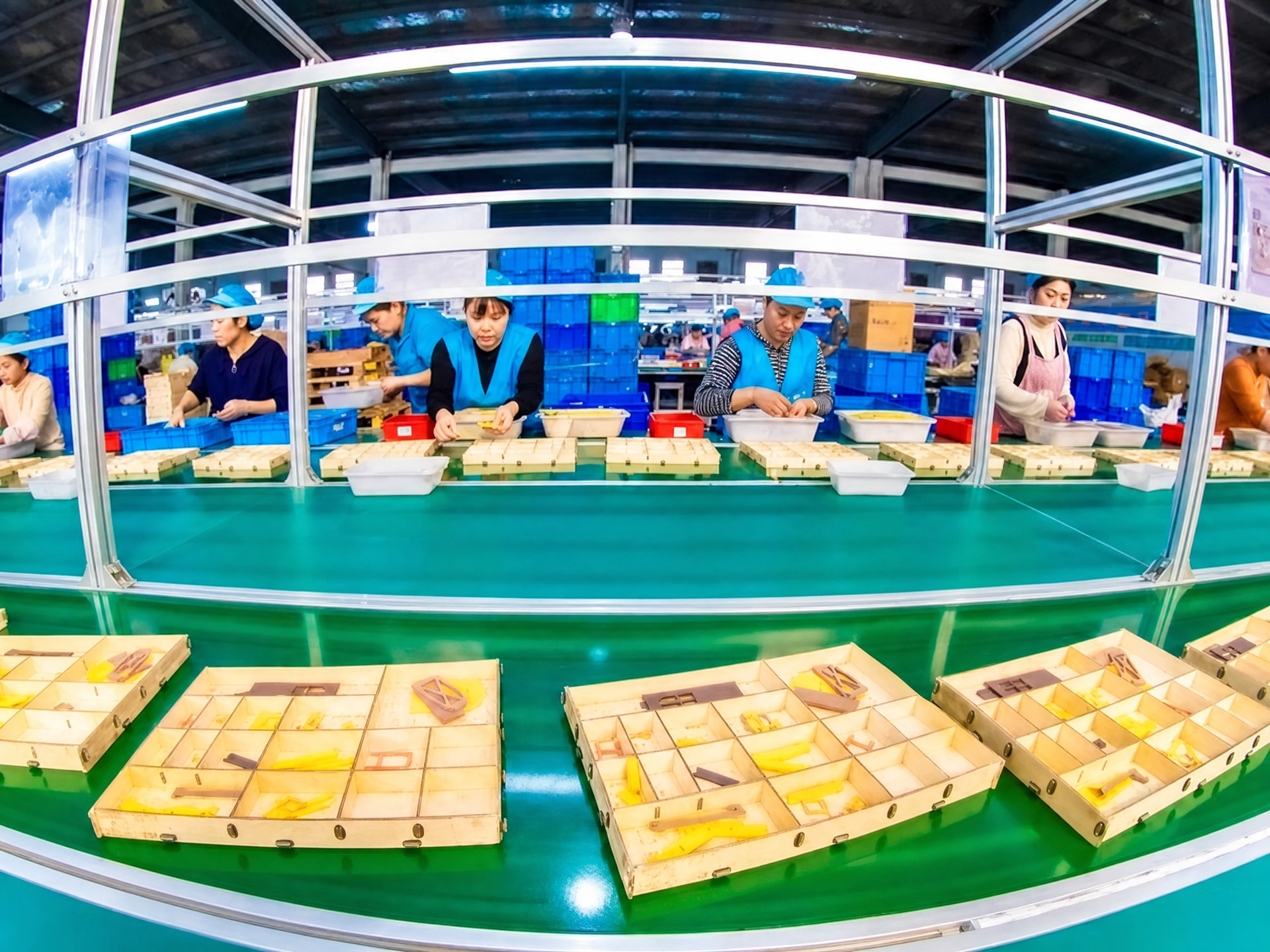
2. Wooden Boards Aren’t Randomly Stacked, Factories Use “Board Matching” 

Many people imagine puzzle production like this:
Cut the boards → stack them → put them into a box.
But in reality, board matching is one of the most important production stages. 

Factory standard operating procedures often include images showing:
- board numbers
- placement order
- matching instructions
- inspection notes
Which board goes on top and which goes underneath is not decided casually.
Because one puzzle box may contain multiple boards with completely different functions. Some hold structural parts, some hold decorations, and some contain accessory components.
So when you open a puzzle box and see neatly arranged wooden sheets, that organization is not “for aesthetics.”
It’s part of a larger verification system designed to reduce mistakes before the product ever leaves the factory.
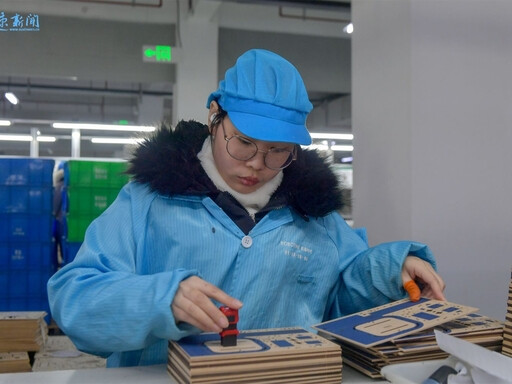
3. Small Codes on the Boards Are More Important Than They Look 

Inside a factory, special attention is given to the placement of safety codes, compliance marks, and traceability labels.
Sometimes the required position is specified down to:
- a particular board
- a specific corner
- an exact packaging layer
To you, these may look like tiny symbols or printed codes.
But for factories, they can determine:
- which market the product belongs to
- which safety standards it follows
- which production batch it came from
For export products especially, warning labels and compliance markings cannot simply be “placed anywhere.” 


They must appear in the correct position for inspection, shipping, and after-sales tracking.
A tiny printed code may actually connect the product to an entire production history.
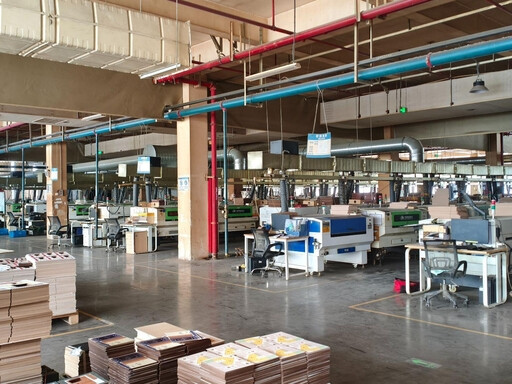
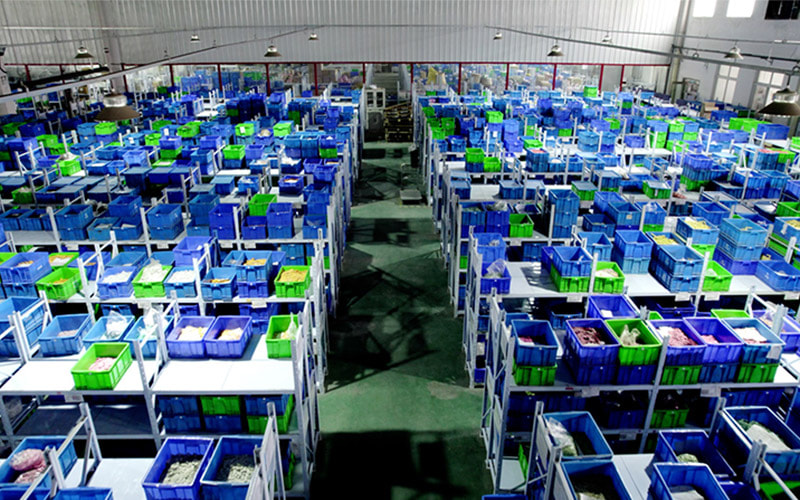
4. The “Semi-Finished Product” Stage Is More Important Than Most People Realize 
You might assume that once the wooden sheets are cut, the product immediately goes into final packaging.
But factories often have an important intermediate stage called the semi-finished product phase.
For example, wooden sheets may first be:
- cleaned
- shrink wrapped
- temporarily stored
- labeled
- sorted for later packaging
Why not package everything immediately? 
Because manufacturing is not a single action.
It’s a chain of coordinated processes.
Shrink wrapping during the semi-finished stage helps:
- reduce dust
- prevent moisture exposure
- avoid board mixing
- simplify later identification
So a wooden board coming off the cutting line does not instantly become a finished product.
Sometimes it quietly waits as a protected semi-finished component before entering the next workflow.
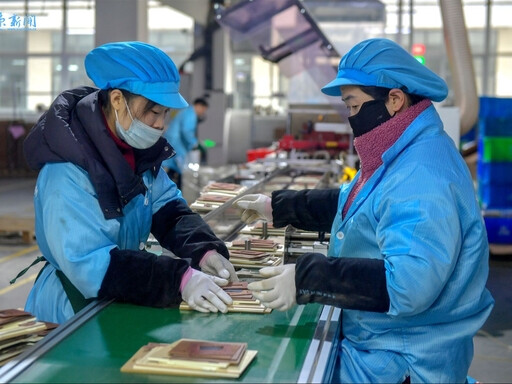
5. Why Are Some Tiny Parts Left Attached to the Wooden Board? 

You may notice that many small pieces are still attached to the wooden sheet and need to be gently removed by hand.
This is not because the factory “forgot to separate them.”
It’s actually a protection strategy. 
Wooden puzzles frequently contain extremely thin or delicate components. If every small piece were removed in advance, they could easily:
- scatter during shipping
- mix with other pieces
- bend under pressure
- get lost inside the box
Keeping them attached gives each piece a temporary fixed seat inside the board.
There’s another benefit too:
you can remove parts gradually while following the instructions instead of facing a pile of nearly identical loose pieces all at once.
In this sense, the wooden sheet itself becomes part of the storage and protection system.
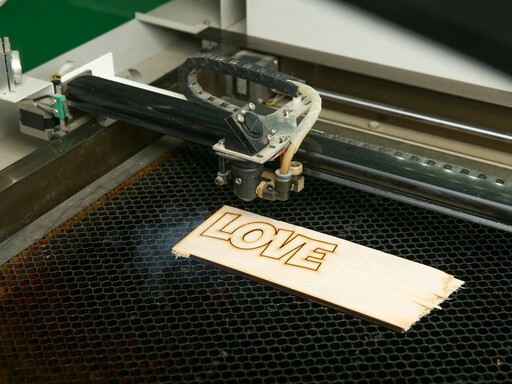
6. Why Do Wooden Puzzle Edges Sometimes Have Dark Marks? 

Wooden puzzles are often produced using precision cutting methods that create extremely detailed shapes.
During this process, slight dark marks may appear along the cut edges — especially around:
- sharp turns
- dense patterns
- intricate curves
This usually does not mean the product is dirty or defective.
In many cases, it’s simply the natural trace left behind by precision cutting.
Interestingly, this is also one of the biggest differences between wooden puzzles and paper puzzles.
Paper puzzles feel more like printed products.
Wooden puzzles retain a stronger sense of material texture and craftsmanship.
Factories still clean and process the boards afterward to improve handling, but subtle edge variations, wood grain, and even slight wood scent are part of what makes wooden puzzles feel uniquely tactile.
Those darker edges are, in a way, evidence that real wood was carefully shaped into something buildable.
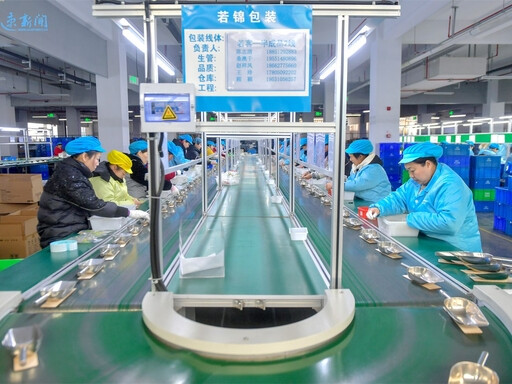
7. Quality Inspection Doesn’t Happen Only at the End
You might think quality inspection happens after the product is fully completed.
In reality, inspection occurs throughout the entire process.
Different stages may include:
- checking board numbers during matching
- checking wrapping condition during sealing
- checking accessories during packaging
- checking labels and versions before boxing
The reason is simple:
the earlier a mistake is found, the easier it is to fix.
Discovering a missing board after the entire product has already been packaged creates a much larger cost.
A puzzle reaches your hands smoothly not because of one final inspection,
but because every stage tries to reduce mistakes before they grow bigger.
8. Packaging Is Actually Protecting the “First Unboxing Experience” 
Packaging is not simply “putting things into a box.”
For wooden puzzles, packaging must protect both:
- transportation safety
- your unboxing experience
Factories must consider questions like:
- Will the boards rub against each other during shipping?
- Will tiny accessories become messy?
- Can you easily find the instructions?
- Will the unboxing experience feel organized or confusing?
If boards are not secured properly, transportation friction may damage them.
If accessories are not separated well, you may not know where to begin.
If instruction sheets are deeply buried or bent, the experience already feels less enjoyable before building even starts.
So the final packaging stage is doing something surprisingly delicate:
making sure the product still arrives in a clean, organized condition, ready to build after a long journey.
Good packaging protects more than the product itself.
It also protects the feeling you get the moment you open the box.

Final Thoughts 
One of the most interesting things about wooden puzzles is not only the satisfaction of building them…
but also the factory logic behind them.
A wooden puzzle is not simply:
“design a picture → cut wood → put it in a box.”
What truly supports stable production is an entire system involving:
- model management
- board verification
- traceability control
- semi-finished protection
- version differentiation
- visual SOP documentation
- multi-stage inspections
So next time you open a wooden puzzle box, take a closer look at the tiny board numbers, labels, and packaging details.
They may seem small,
but they are part of the reason the puzzle arrived correctly in your hands.
 Q&A
Q&A
Q1: Why do factories use model numbers and file codes?
Because many products may look visually similar or use similar wooden boards. Model systems and file numbers help factories accurately distinguish products, versions, and workflows while reducing assembly mistakes.
Q2: What exactly is “board matching”?
Board matching is the process of confirming that every required wooden sheet is present, correctly ordered, and matched to the proper board number before packaging.
Q3: Why must some labels or codes appear in fixed positions?
Because those codes may relate to compliance, safety standards, market versions, or production tracking. Fixed placement makes inspection and after-sales verification much easier.
Q4: Why create “semi-finished products” before final packaging?
The semi-finished stage helps protect boards from dust, moisture, and mixing errors while improving workflow organization for later production stages.
Q5: Why can’t domestic and international packaging materials be mixed?
Different markets may require different languages, warning labels, compliance information, and packaging standards. Mixing them could affect usability, after-sales support, or even legal compliance.