It is finished! 

And just like that, the Sakura Kimono Shop is done! 
This was my little change of pace after Cafe Kokomo and the Wisdom Stationery Book Shop—two very detailed builds that I absolutely loved. And I think the wheel picked a pretty perfect project for what I wanted this time around.
This isn’t my first kit from this brand, and I have to say… I love it! 
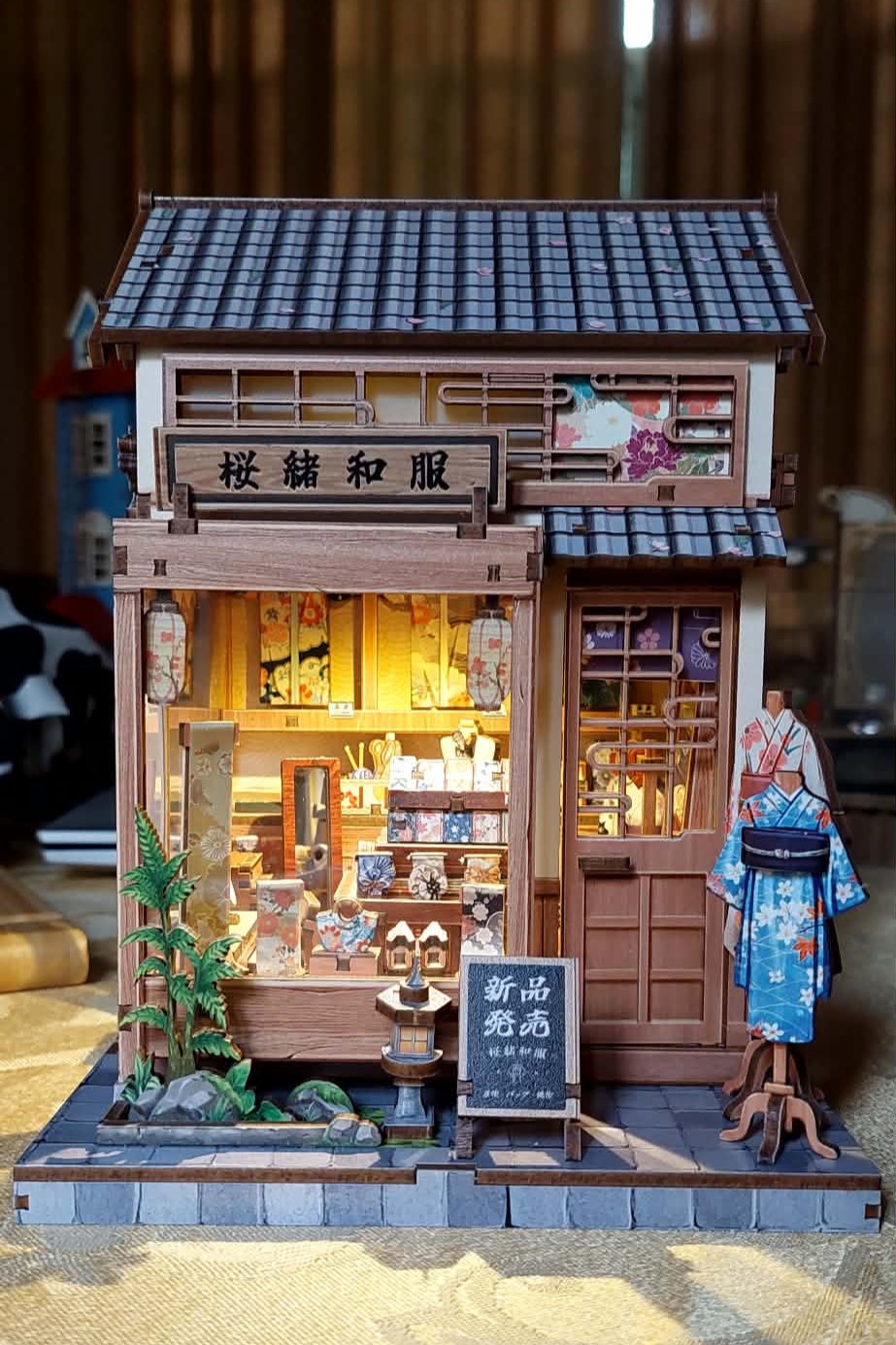
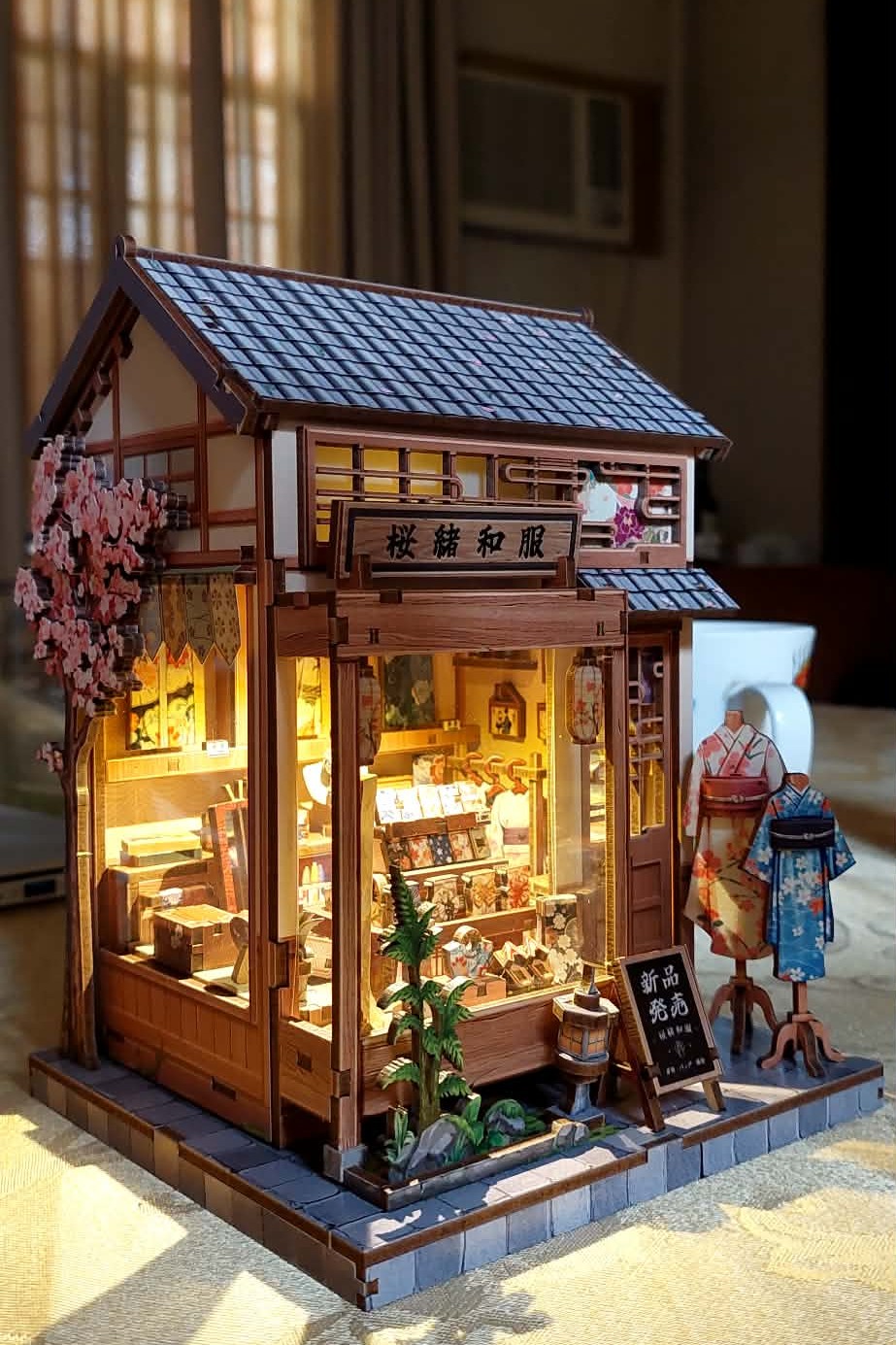
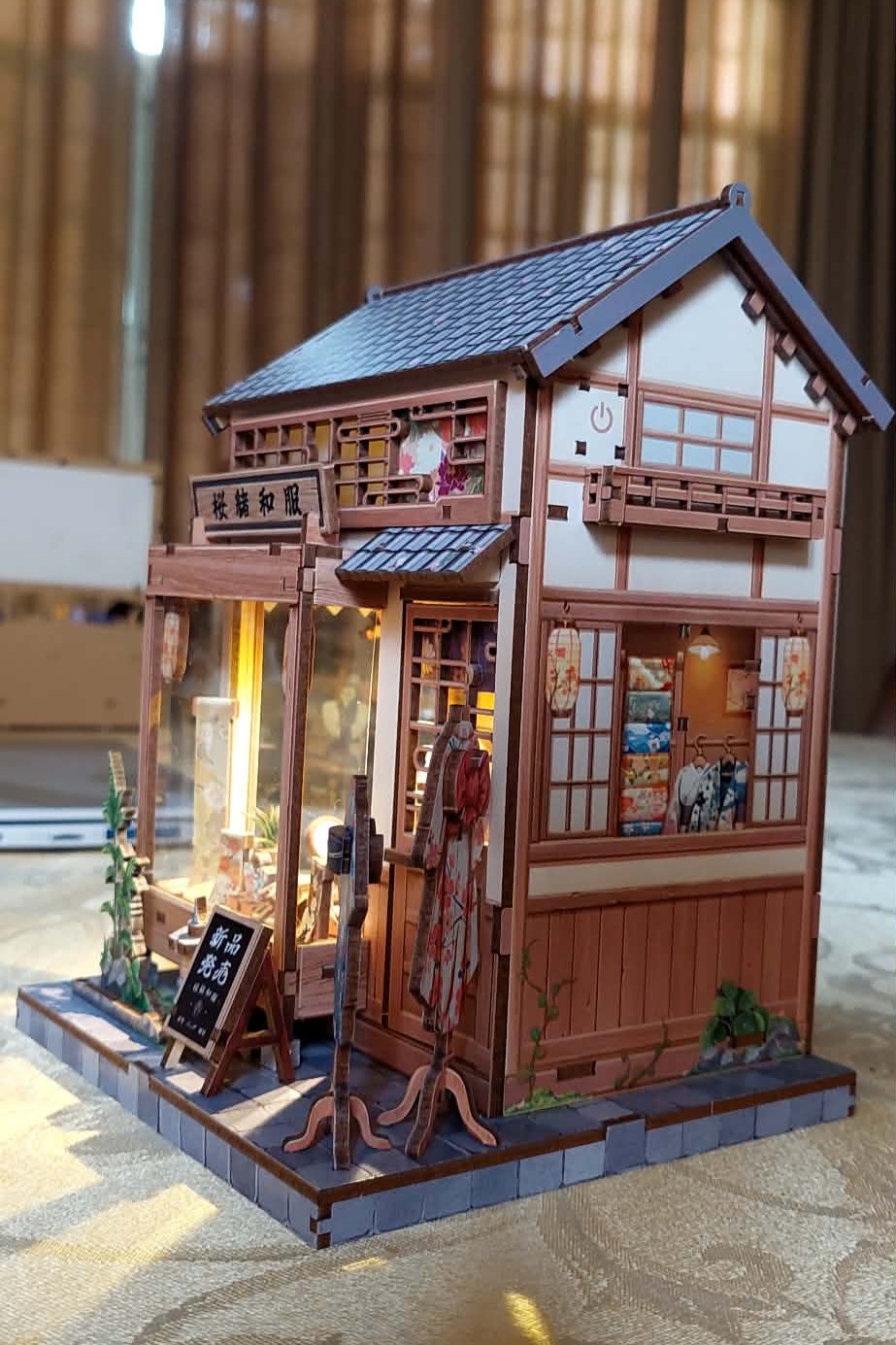
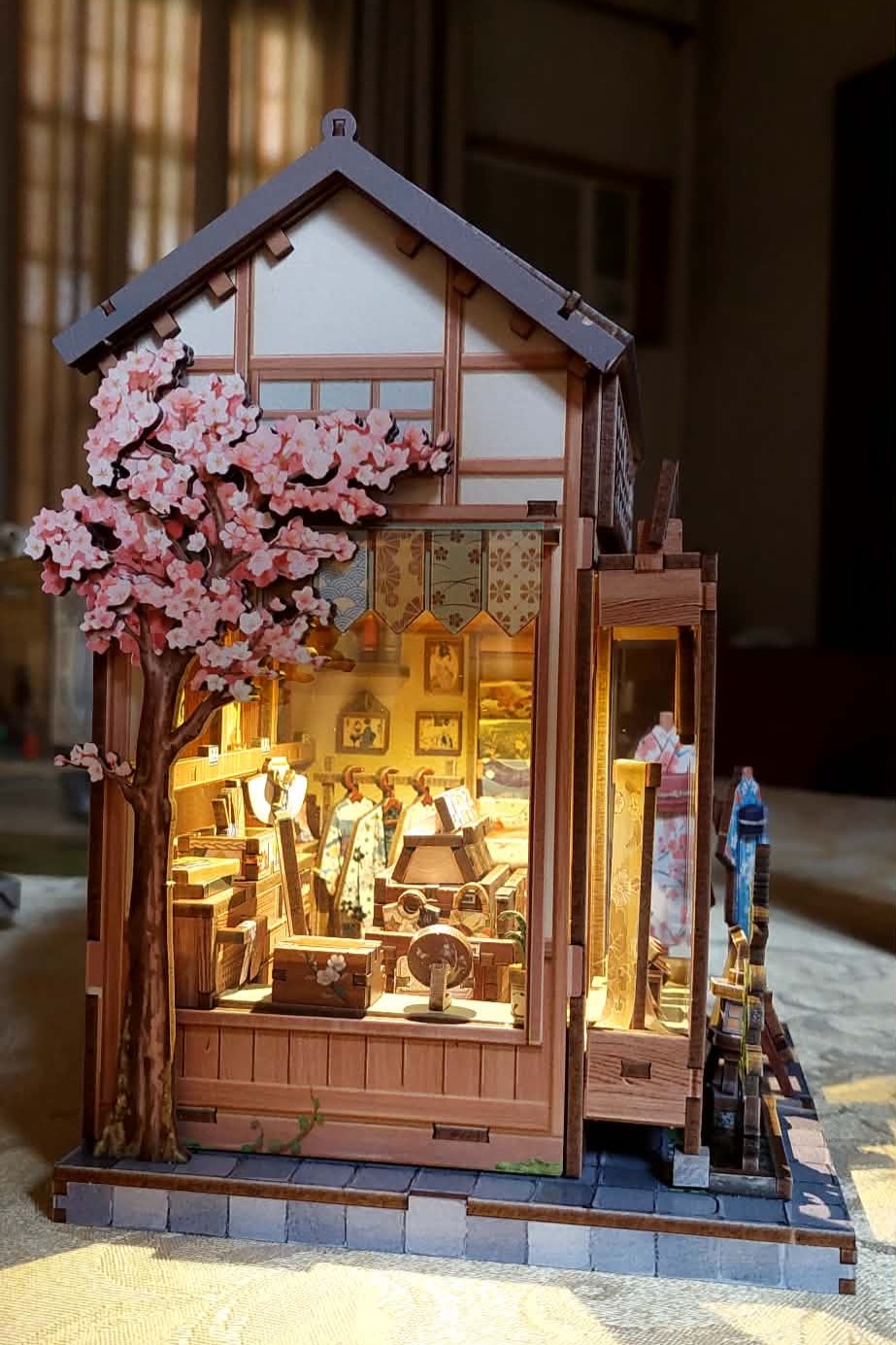

But it’s quite different from a Rolife kit. It doesn’t feel as much like a traditional DIY miniature project. It’s more like a 3D puzzle—you put the pieces together, and little by little, you figure out what you’re actually building.
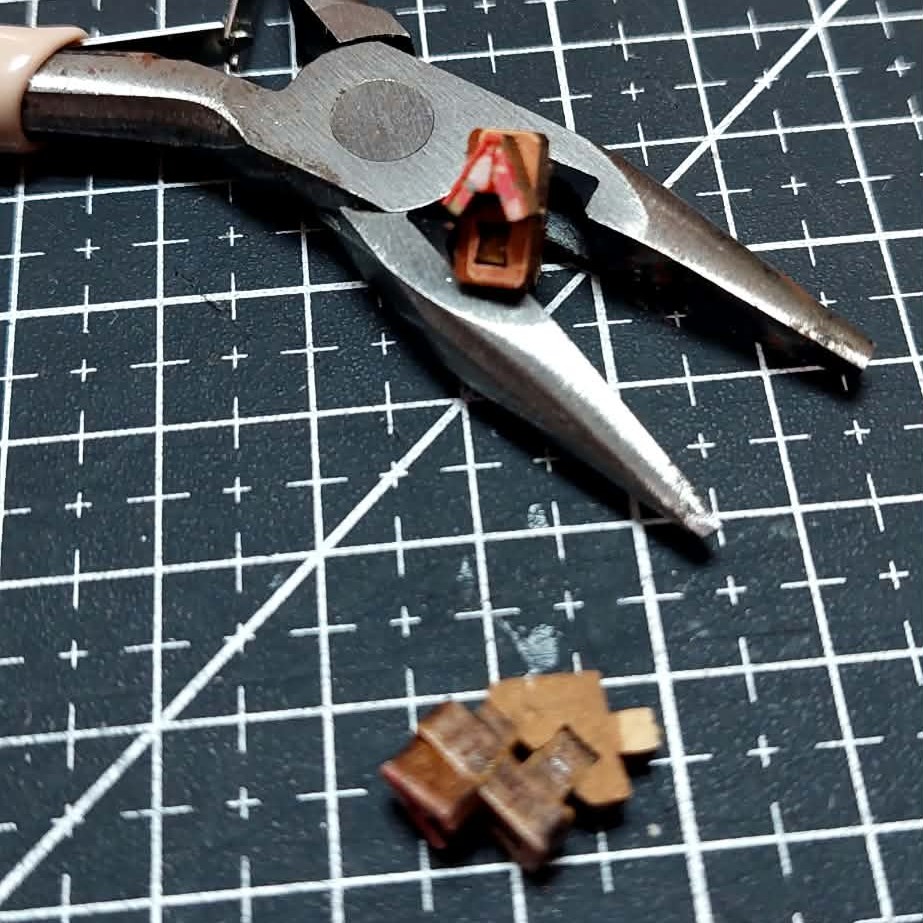
In fact, I had no idea what some of the details were supposed to be until I put two completed pieces together and suddenly realized… Japanese wooden slippers!  Such a cute little surprise.
What I loved
• Easy and relaxing to build — perfect when you don’t want to commit to a long, detailed building session.
• Sturdy, good-quality materials — everything feels solid once assembled.
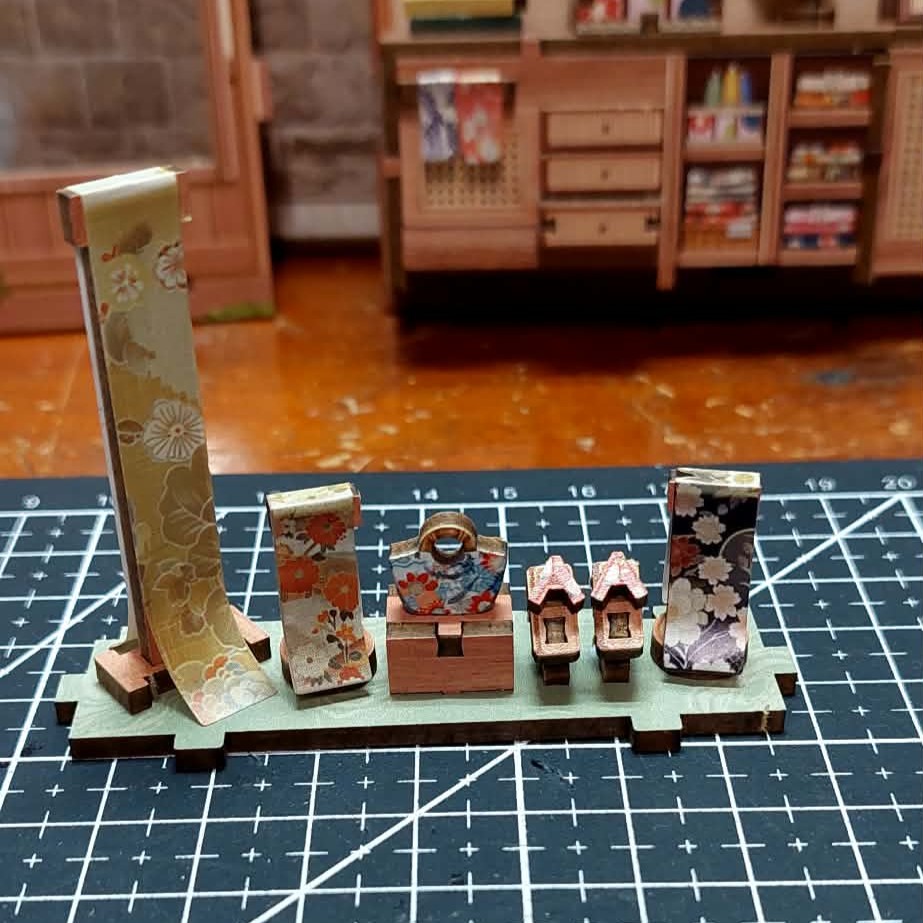
• Cute details — there are lots of little touches that make the finished shop really charming.
• Beautiful Japanese-inspired prints — I absolutely love the printed details in this kit. The patterns and little touches give it so much character. If you love Japanese culture and aesthetics, there’s a lot here to appreciate.
• Lots of snap-on pieces — most of the construction doesn’t require glue. I still glued a few parts because… well, I’m me.
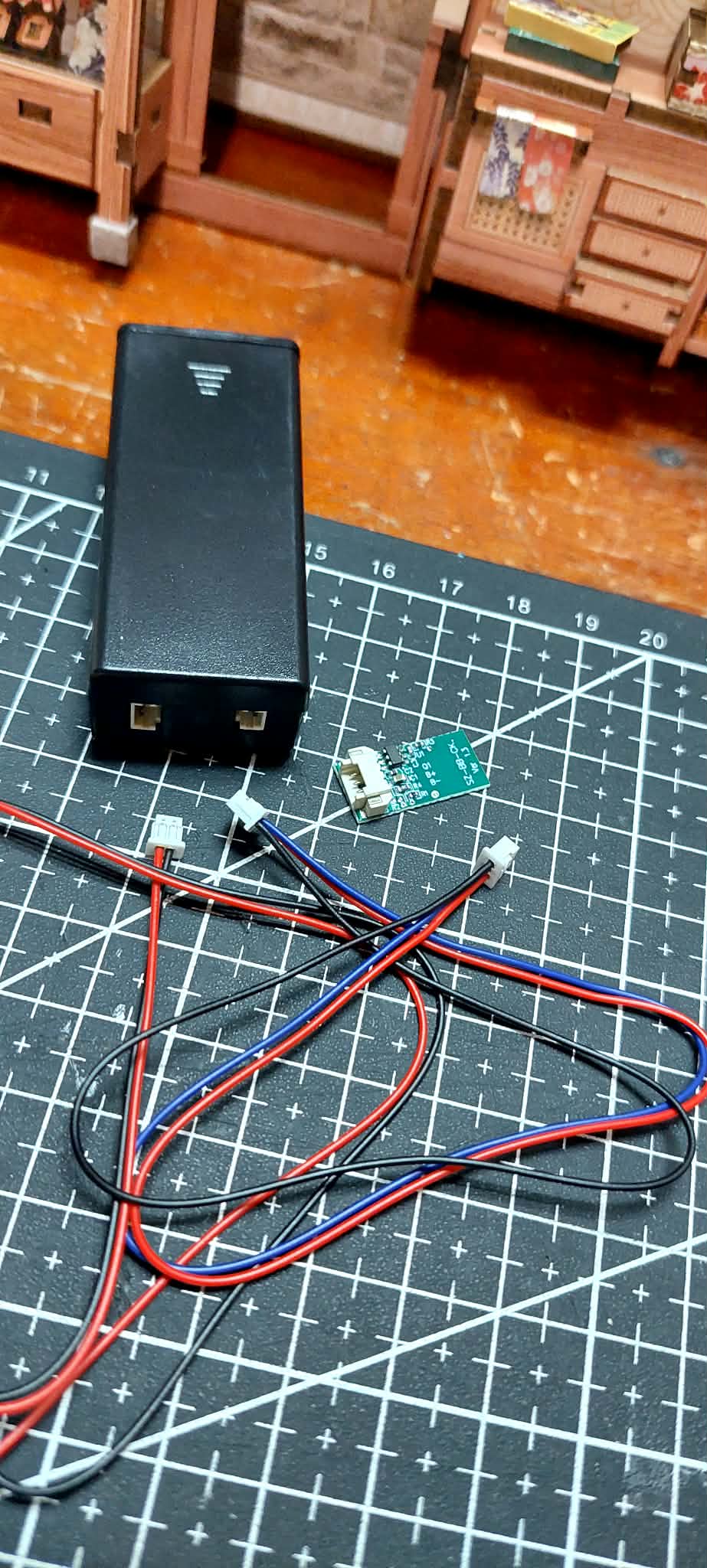
• The lighting! — The wiring is wonderfully neat. It’s basically a plug-in setup, so you don’t have to deal with connecting individual wires. I actually enjoy doing the wiring on Rolife kits because it adds to the DIY experience, but I have to admit… this is really nice too. So clean and tidy!
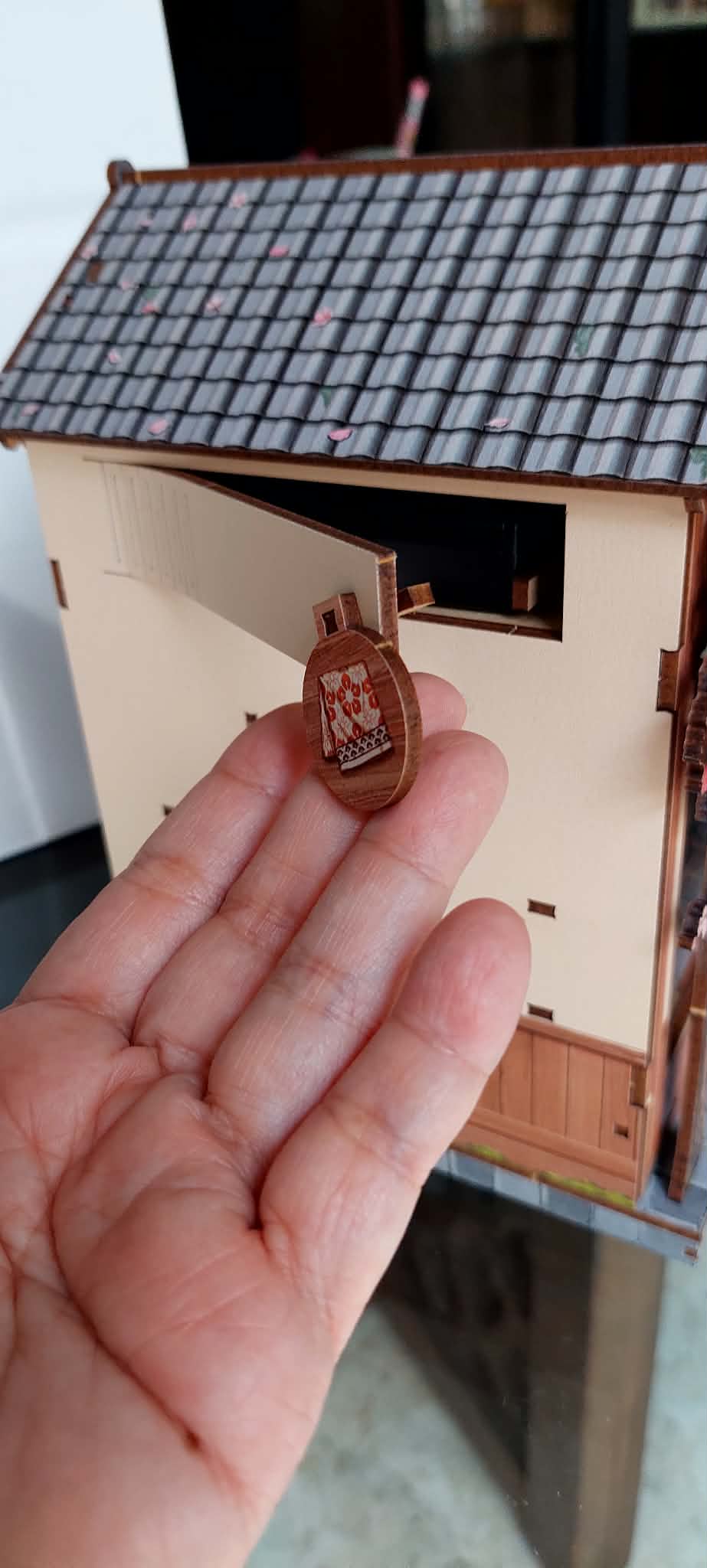
• The hidden battery compartment — the battery housing is tucked away behind a little door at the back, complete with a tiny lock. No awkward battery box sticking out and nothing ugly to hide. 
• Another tiny but clever detail: there’s a lock to keep the cabinet door securely closed. Little things like that make me happy. 
 A couple of things to keep in mind
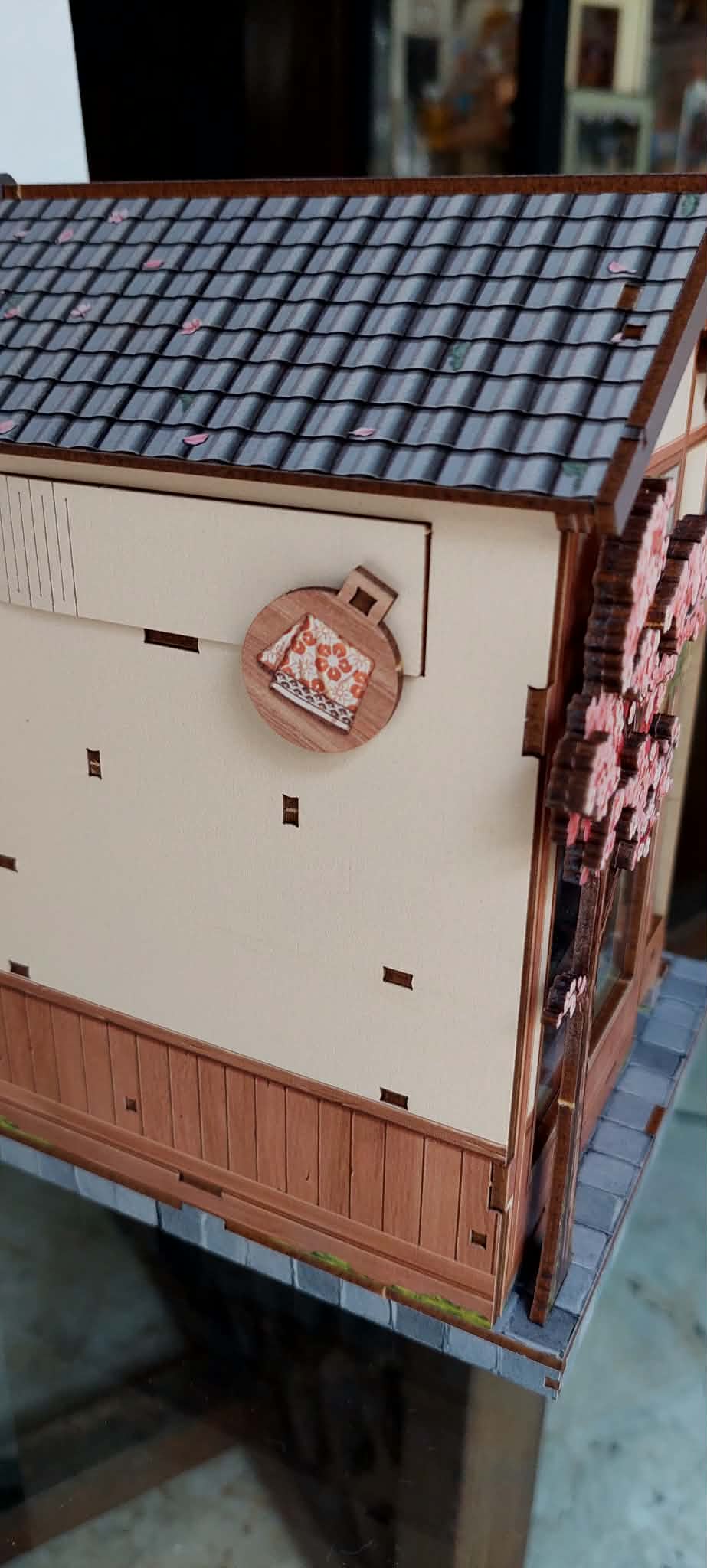
The biggest difference is the construction. The pieces are essentially flat wooden layers that create a 3D object when assembled. From a distance, it looks great, but if you look closely, you can tell that the “3D” details are made from layered flat pieces.
Also, be careful when removing pieces from the boards. If you simply force or push them out, there’s a chance of damaging the top layer of the wood, which is the actual design. A cutter is your friend! 
Those are honestly the only real cons I can think of right now.
Final thoughts
Would I recommend this kind of kit? Absolutely.
It’s a different experience from building something like Cafe Kokomo or the Wisdom Stationery Shop—and that’s exactly why I enjoyed it.
Those two were the kind of builds where I could happily spend hours working through all the tiny details. This one was more like putting together a little puzzle and watching the shop reveal itself.
And after two very detailed builds, it was a really fun way to change things up.
Different doesn’t mean less fun. Sometimes, it’s just nice to build something in a different way. 


 thank you for your detailed review