In the Robotime community, every completed puzzle is more than just a finished project, it becomes a tiny world worth displaying and preserving. If we hope these creations will accompany us for many years, a little scientific understanding and thoughtful daily care can make a big difference.
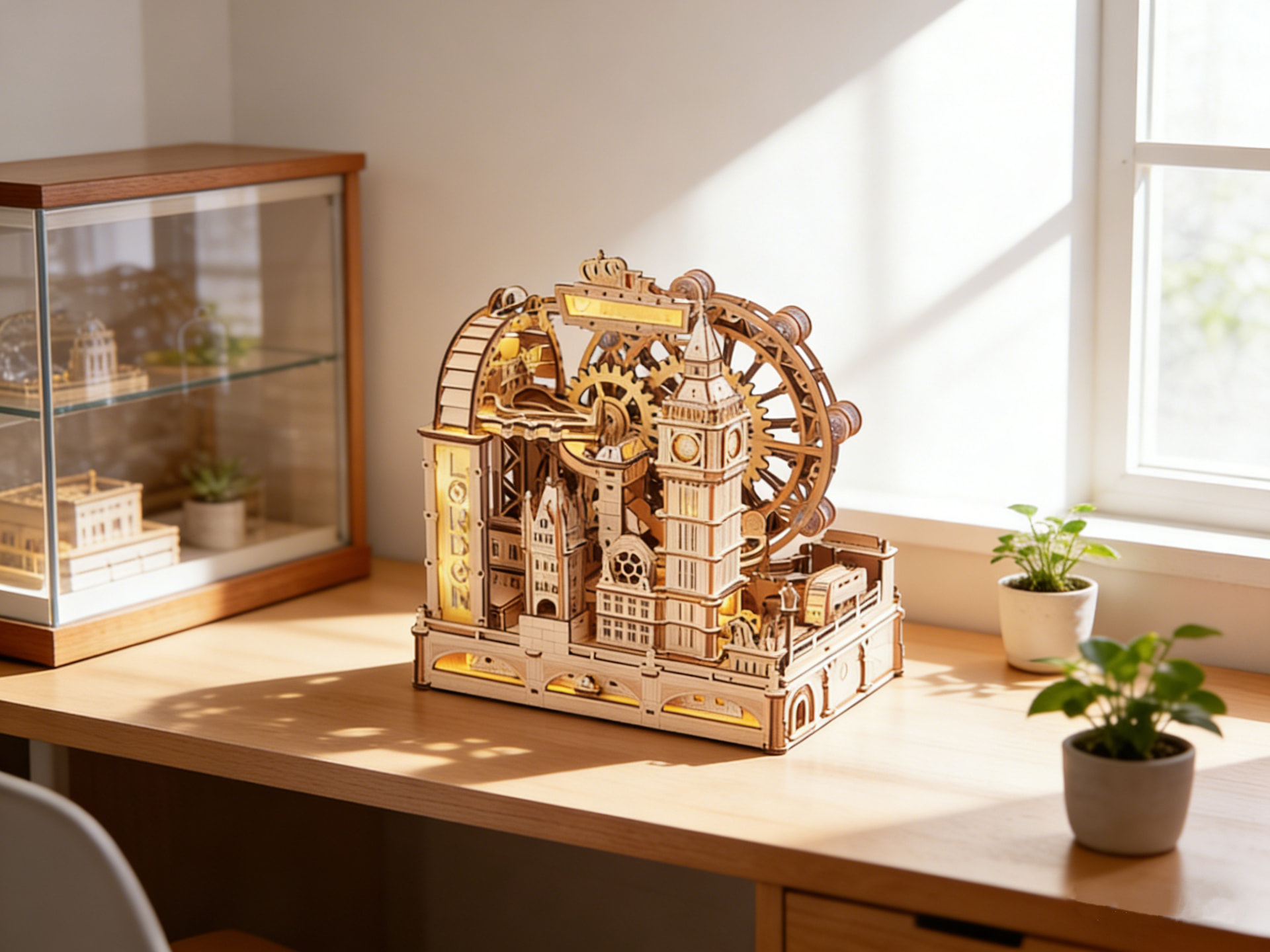
In this article, we look at wooden puzzle models from a materials science perspective. Wood is a natural material that responds subtly to changes in temperature and humidity.  Understanding these characteristics can help us manage the display environment more effectively and preserve our models for the long term.
1. Basic Properties of Wood
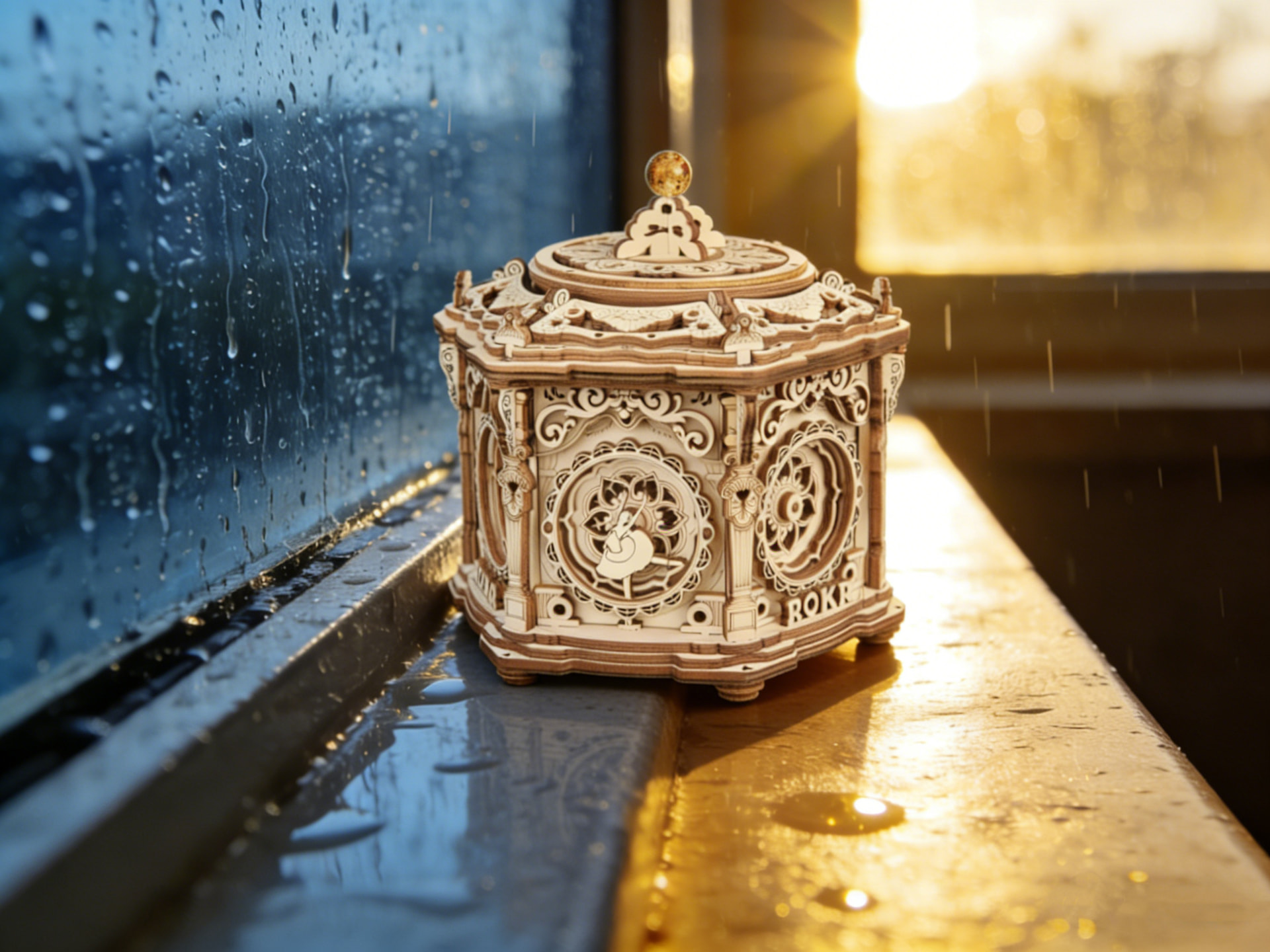
Wood has a property known as hygroscopicity, meaning it naturally absorbs and releases moisture depending on the humidity of the surrounding air.  This process can cause slight expansion or contraction in the material (Forest Products Laboratory, 2010).
When humidity increases, the cellular structure of wood absorbs moisture and expands slightly. When the air becomes drier, moisture evaporates and the material contracts.  These changes are usually extremely small and often invisible to the eye. However, long-term environmental fluctuations can gradually affect structural stability.
For wooden puzzle models, this means:
- High humidity may cause the material to absorb moisture and expand, making joints tighter or slightly deforming delicate parts.

- Very dry conditions may cause shrinkage, which in extreme cases can loosen small structural elements.

- Frequent changes in temperature and humidity can lead to repeated expansion and contraction, accelerating the natural aging process.

From a materials science perspective, the key to preservation is not changing the wood itself, but maintaining a stable environment around it.
2. Environmental Stability Is Essential
In museum conservation and material preservation research, stable environmental conditions are widely recognized as one of the most important factors in slowing the aging of wooden materials  (Canadian Conservation Institute, 2016).
General recommendations include:
- Maintain indoor relative humidity between 40% and 60%

- Avoid sudden fluctuations in temperature or humidity
- Avoid prolonged exposure to direct sunlight
Why does stability matter so much?
 When wood is exposed to constant environmental changes, it repeatedly expands and contracts. In materials science, this process is known as moisture cycling.
  Over time, this repeated movement can create small internal stresses and gradually affect the structural integrity of the material (American Institute for Conservation, 2018).
In simple terms:
A stable environment = slower material aging.
3. Three Common Risks to Avoid
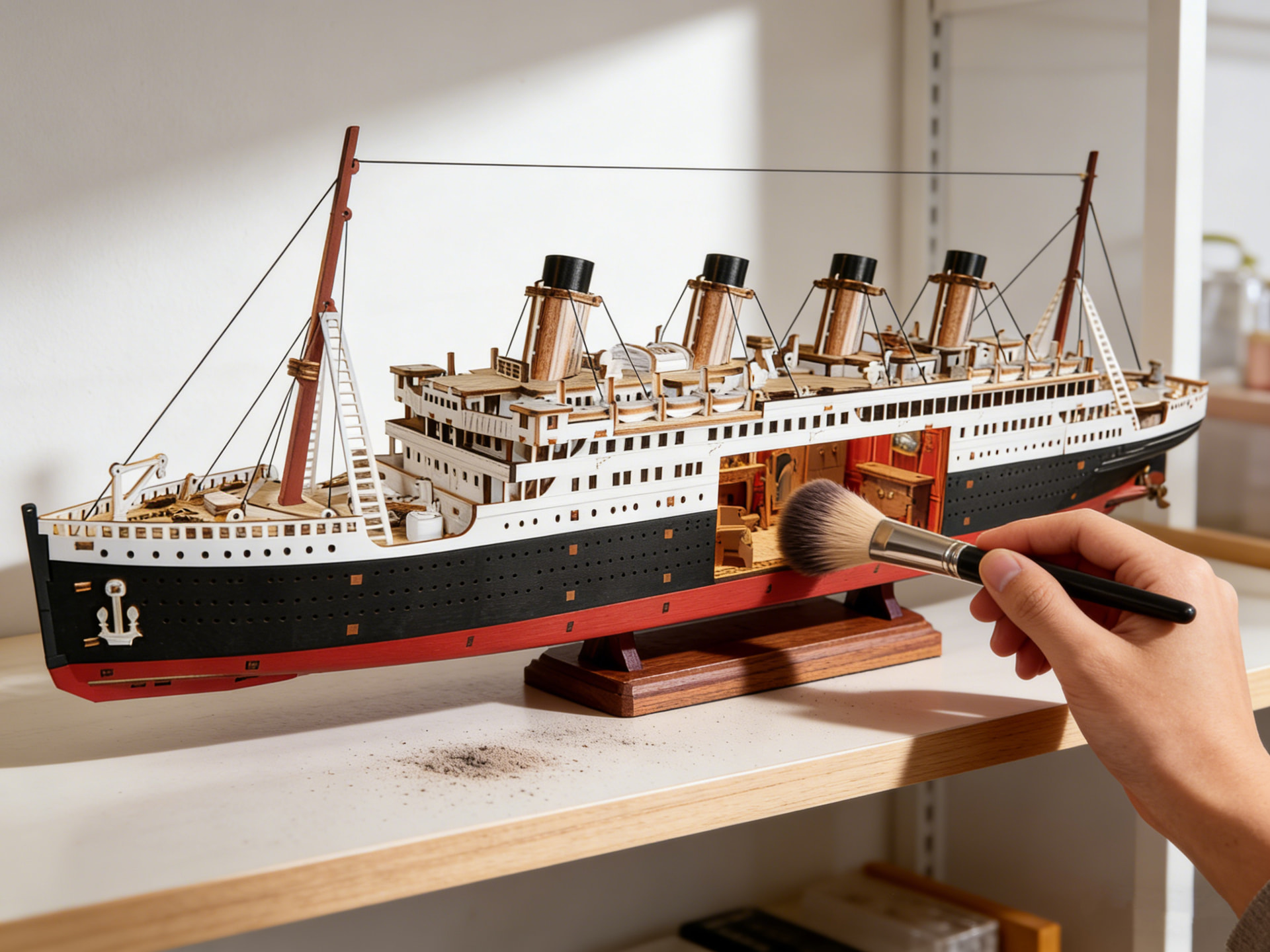
During daily display, three environmental factors are most likely to affect wooden puzzle models.
 Direct Sunlight
Ultraviolet radiation in sunlight can gradually break down natural components within wood, causing surface fading or material degradation (ISO 11507).
Over time, strong light exposure may cause colors to become lighter or uneven. For this reason, models are best displayed in indirect light or shaded indoor areas.
 High-Humidity Environments
Humid environments increase the likelihood of wood absorbing moisture. They may also encourage the growth of mold or microorganisms.
Examples include:
- Near bathrooms or kitchens
- Directly against exterior walls
- Poorly ventilated spaces

To reduce risk, it is recommended to maintain moderate ventilation and leave some space between the model and the wall.
 Dust Accumulation
Dust not only affects the appearance of a model but can also absorb moisture from the air.
Because wooden puzzle models often contain delicate structures, direct wiping with cloth is not recommended, as it may catch on small parts. 
Instead, you can:
- Use a soft brush to gently remove dust
- Use a hand air blower to blow dust away
Avoid using wet cloths or chemical cleaners, as moisture or residues may affect the wood.
4. Is Additional Surface Treatment Necessary?
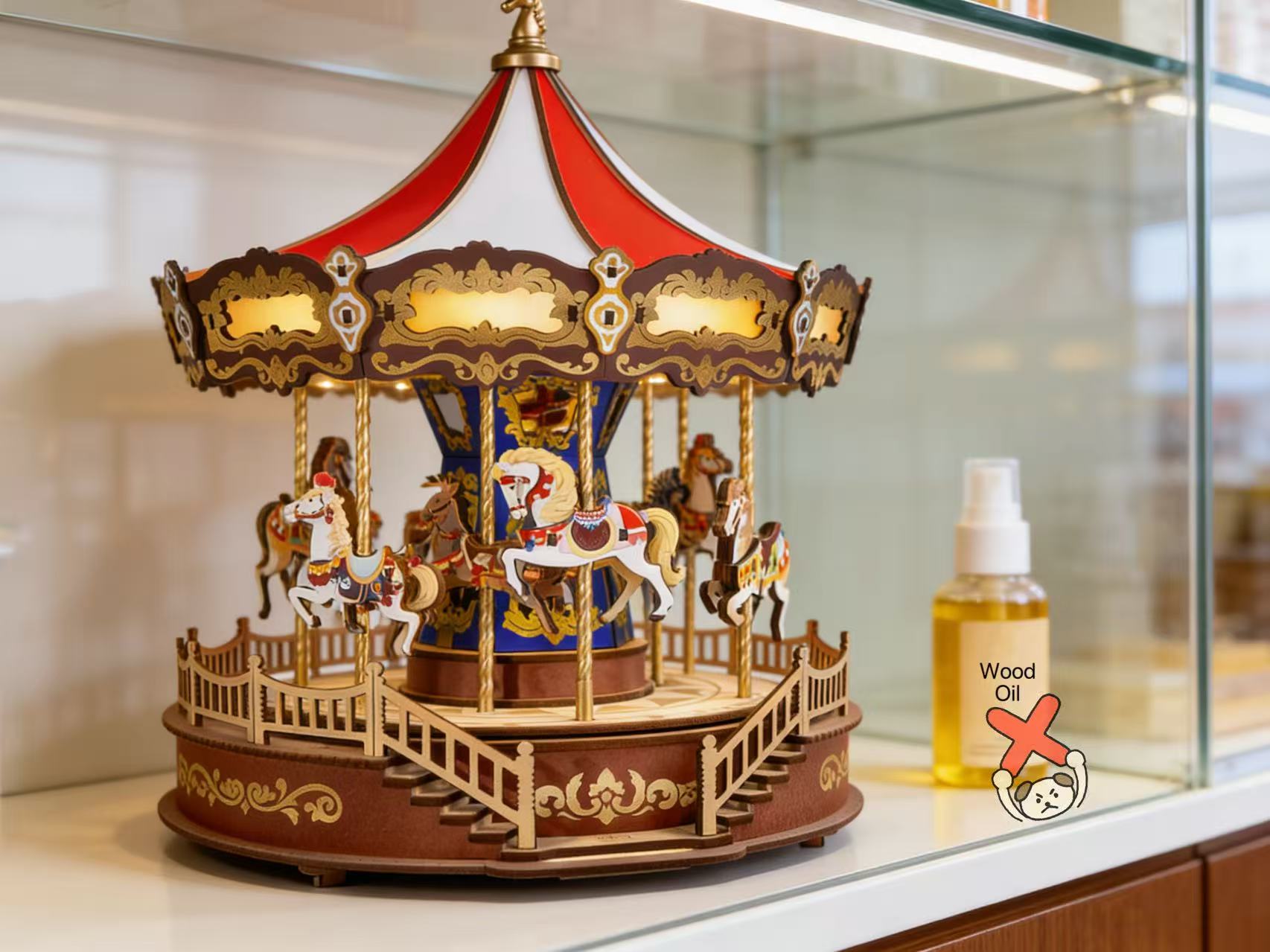
Some people wonder whether wooden models require oiling or waxing like wooden furniture.
For Robotime wooden puzzle models:
- The materials typically receive basic surface treatment during manufacturing.
- In most cases, additional oiling or waxing is not necessary.
Excessive treatment may:
- Alter the original color
- Affect fine structural details
- Make dust easier to accumulate
Research also indicates that stable environmental conditions are generally more important than frequent surface treatments for most wooden objects  (Forest Products Laboratory, 2010).
5. Practical Tips for Long-Term Display
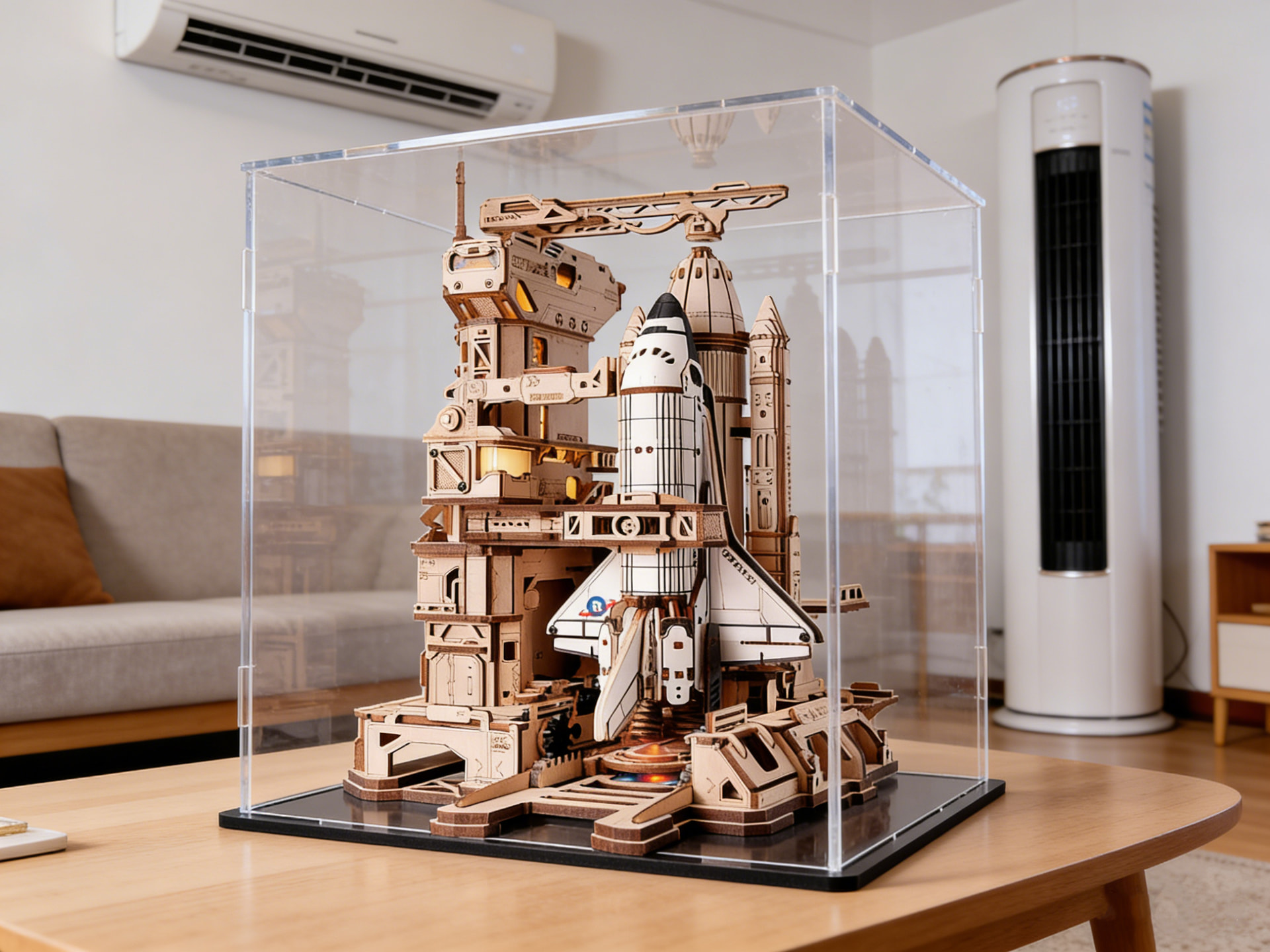
If you would like to keep your builds in good condition for years to come, consider the following:
 Place models in stable indoor environments
Avoid locations near **heaters, air-conditioning vents, or strong temperature gradients**
Maintain moderate airflow in the room
Perform **gentle dust removal regularly**
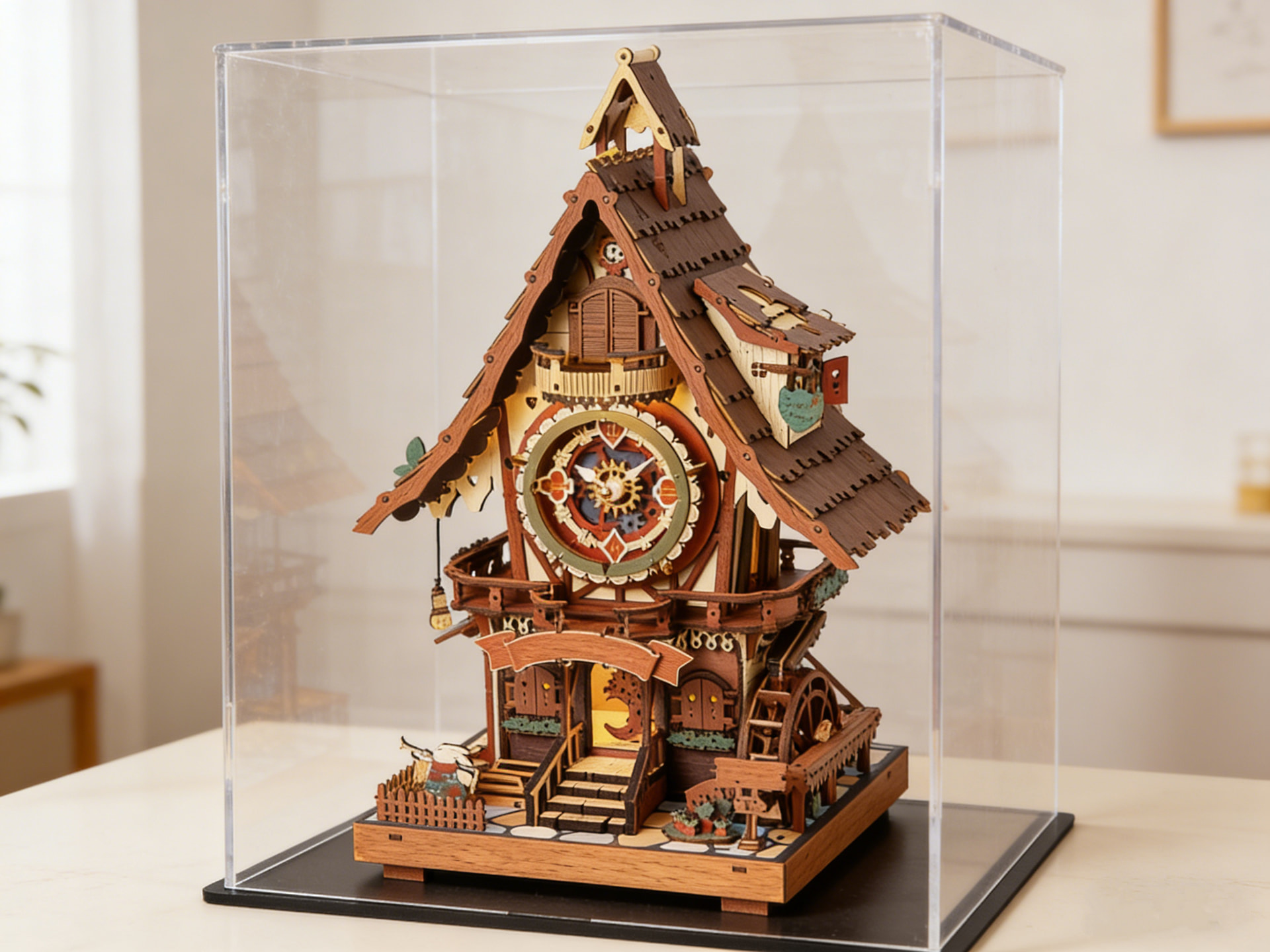
If possible, using a transparent display cover or acrylic case is also highly recommended. This helps reduce dust accumulation and can also buffer environmental fluctuations.
 Remember: The goal of maintenance is not to prevent change entirely, but to allow changes to happen more slowly and more gently.
 In the Robotime community, every build carries the time, patience, and creativity of its maker. With a little scientific understanding and careful mainteanance, these miniature wooden worlds can stay with you for many years to come.
Let’s continue to protect and celebrate every creation we build together. 
References
American Institute for Conservation (2018) Guidelines for the Care of Wood Objects. Washington, DC: American Institute for Conservation.
Canadian Conservation Institute (2016) Preventive Conservation Guidelines for Wood. Ottawa: Government of Canada.
Forest Products Laboratory (2010) Wood Handbook: Wood as an Engineering Material. Madison, WI: U.S. Department of Agriculture, Forest Service.
International Organization for Standardization (ISO) (2000) ISO 11507: Paints and varnishes — Exposure of coatings to artificial weathering — Exposure to fluorescent UV and water. Geneva: ISO.
Siau, J.F. (1995) Wood: Influence of Moisture on Physical Properties. Blacksburg, VA: Virginia Polytechnic Institute and State University.
FAQ
Q1: I usually keep my finished models in a display cabinet. Is that a good idea?
Yes, a closed or semi-closed display cabinet is an excellent choice. It reduces dust accumulation and helps stabilize environmental conditions, making it ideal for long-term display.
Q2: How should I store my model if I’m moving or storing it for a long time?
If you need to move your model, you may secure small parts with a small amount of strong adhesive and allow it to dry completely. Then place the model in a stable container with a lid**, preferably in a dry environment. Adding a small desiccant pack** can help reduce humidity inside the container.
Q3: Why do some wooden models slightly change color over time?
Wood is a natural material, and slight fading or yellowing over time is normal, especially when exposed to light. This natural change does not affect the structural integrity or functionality of the model.
Q4: I have pets at home. How can I protect my models from them? 
If you have curious pets such as cats, it is best to place models on higher shelves or inside display cabinets. Transparent display covers or acrylic cases are also helpful, as they protect models from dust while reducing the chance of pets touching them.
Q5: For kits that use batteries  , what should I keep in mind during long-term display?
If the model includes lighting or electronic components, check the battery condition periodically. If the model will not be used for a long time, it is recommended to remove the batteries and store them separately to prevent potential leakage that could damage internal components.

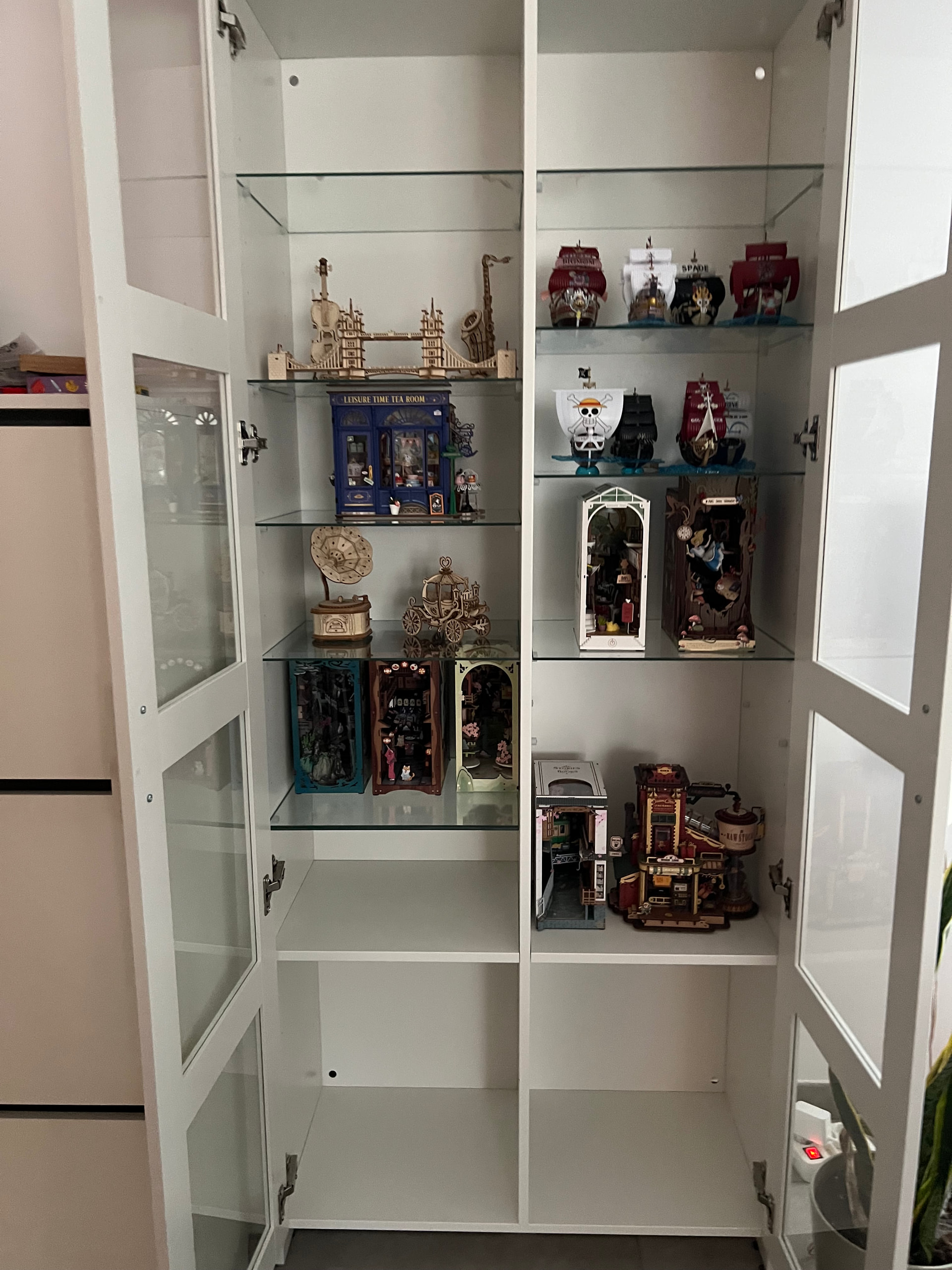
 . I store my kits in a cupboard protected from direct rays of light. I don’t have any problems with moisture and absolutely not with cats
  (my husband and my sons are not fond of cats, preference for dogs
  ).
).
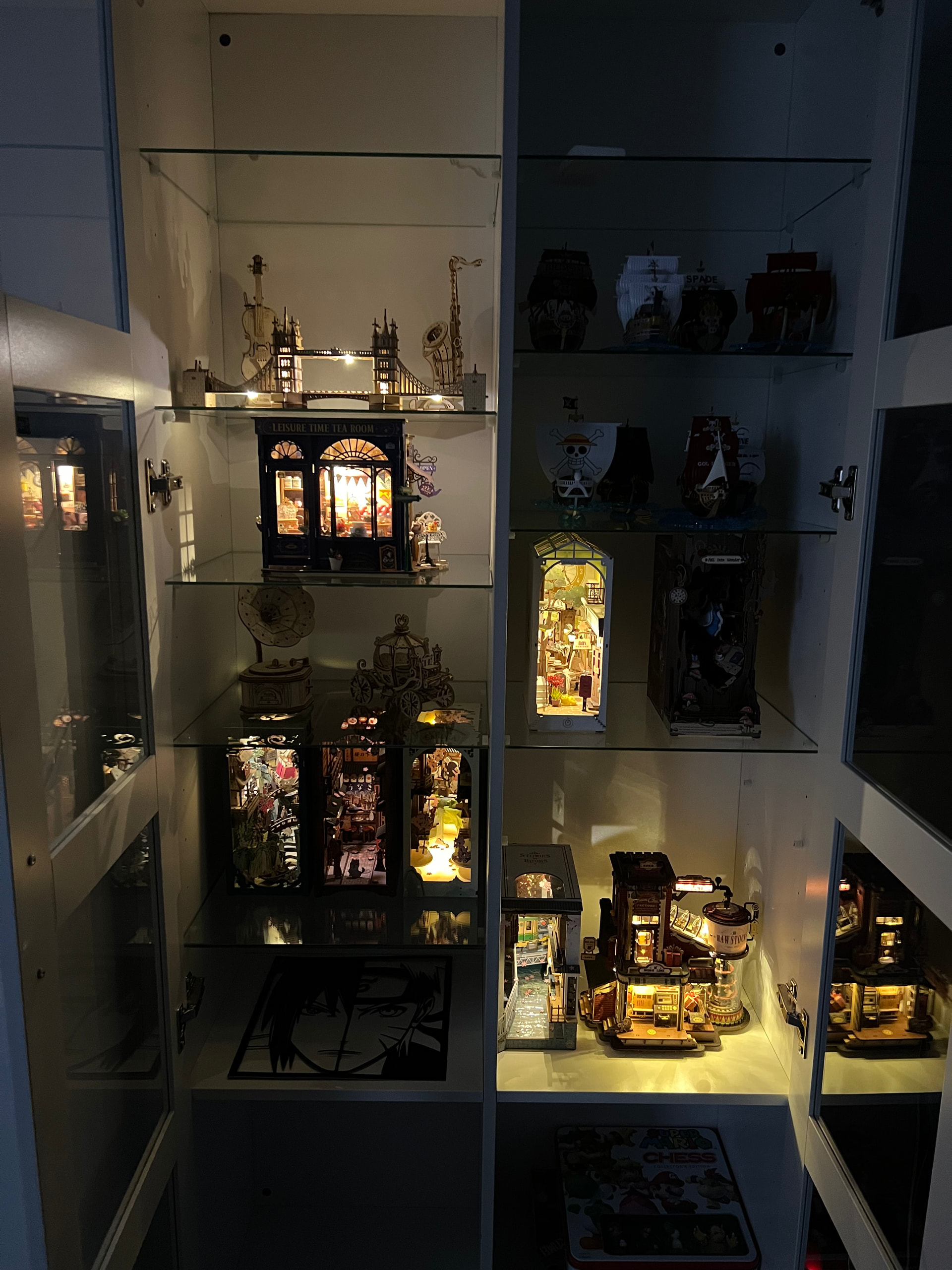
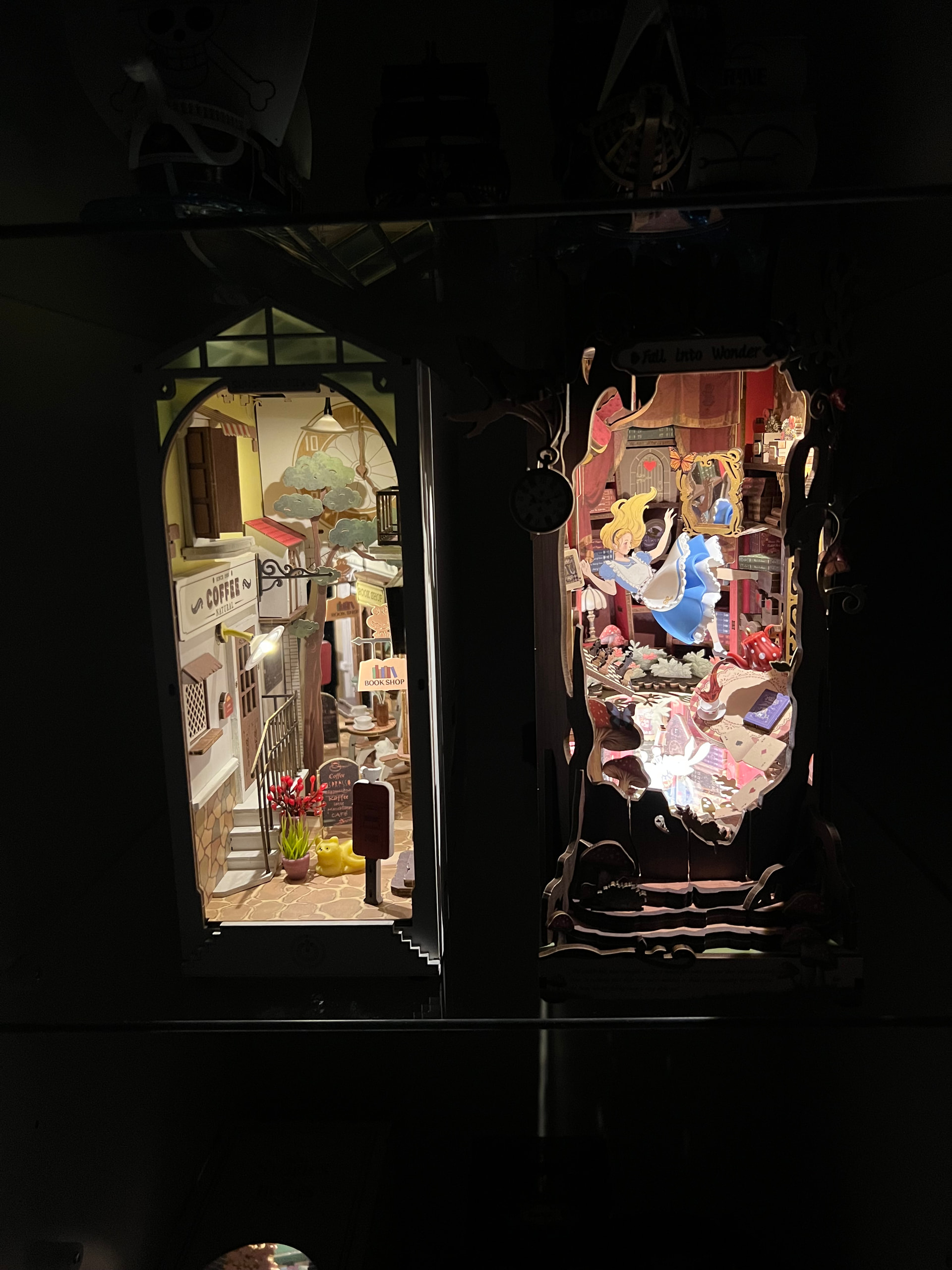
 ).
).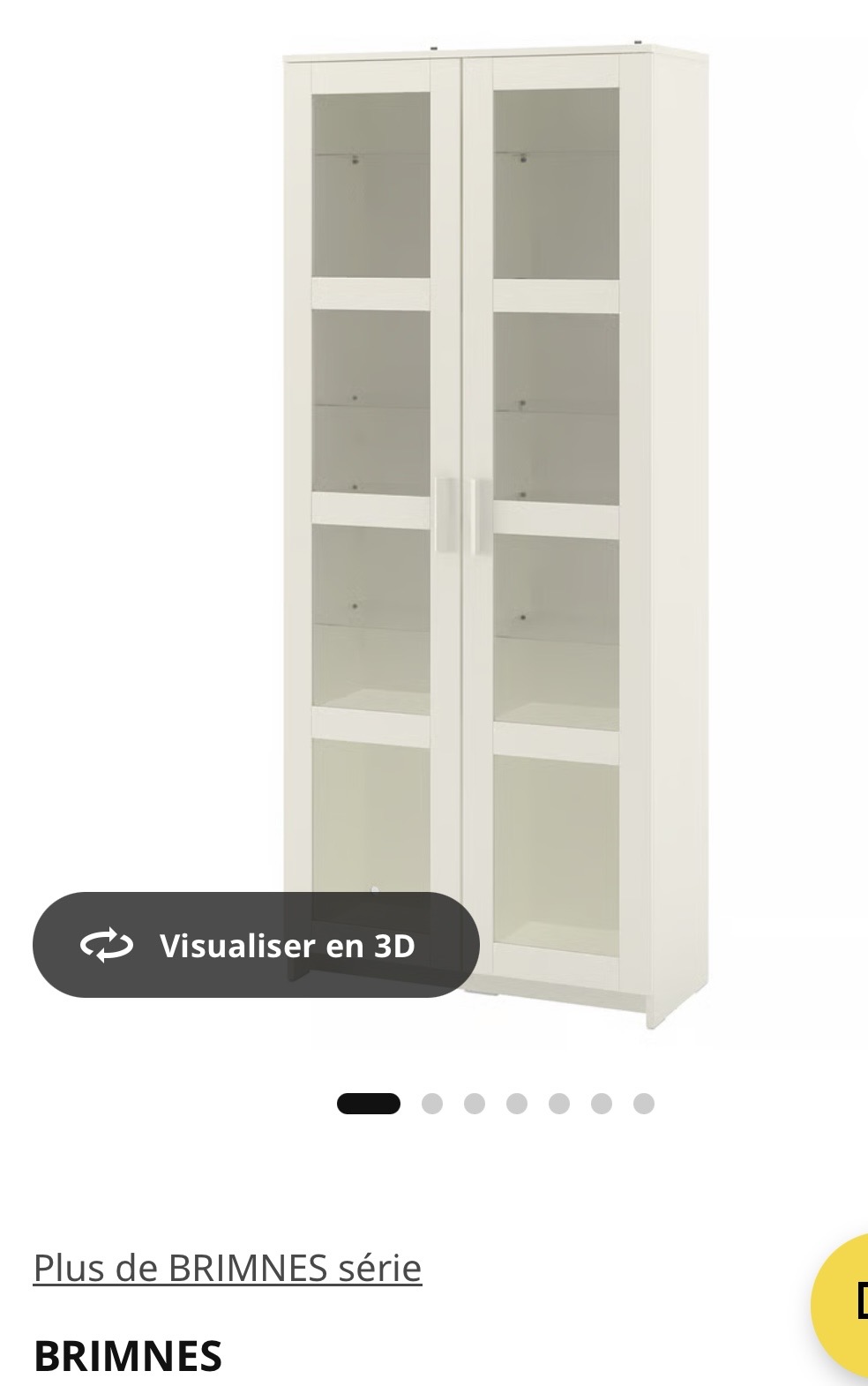
 ) but it’s not deep enough to put my assemblies)