I believe strongly in the term, Paying it Forward.
Everyone has their own style own style, preferences, idiosyncrasies with their build processes. There is no one set way to do anything, find your niche and enjoy making these kits.
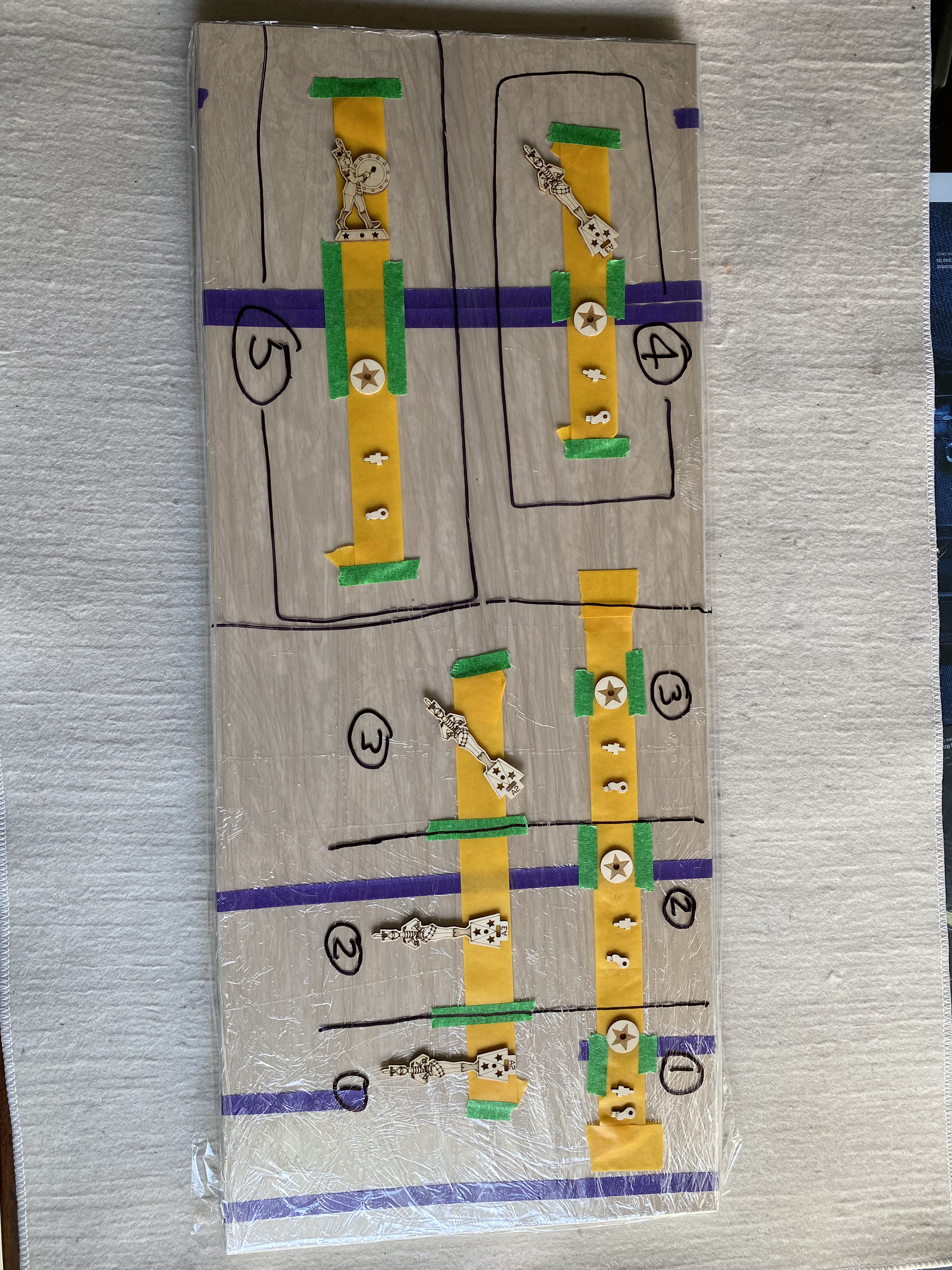
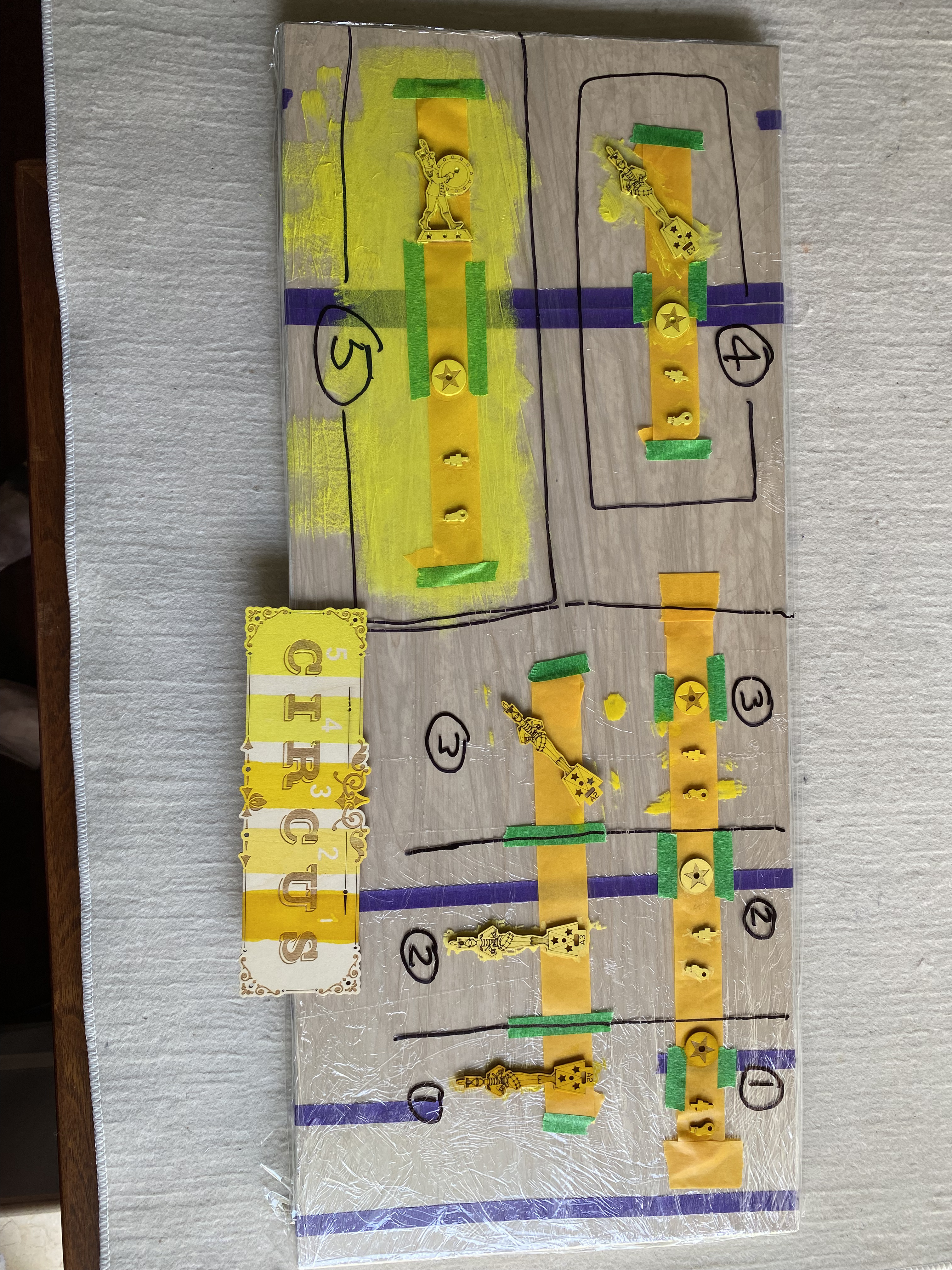
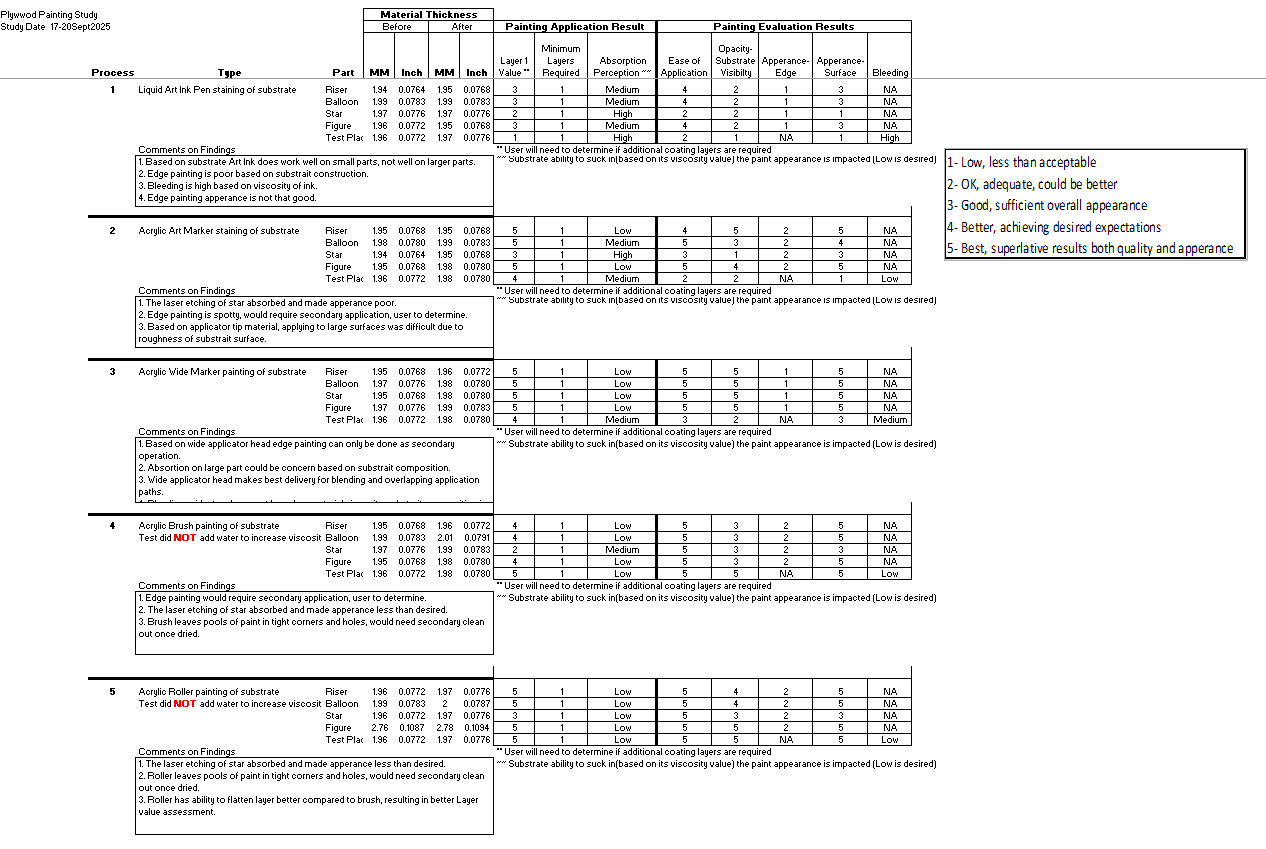
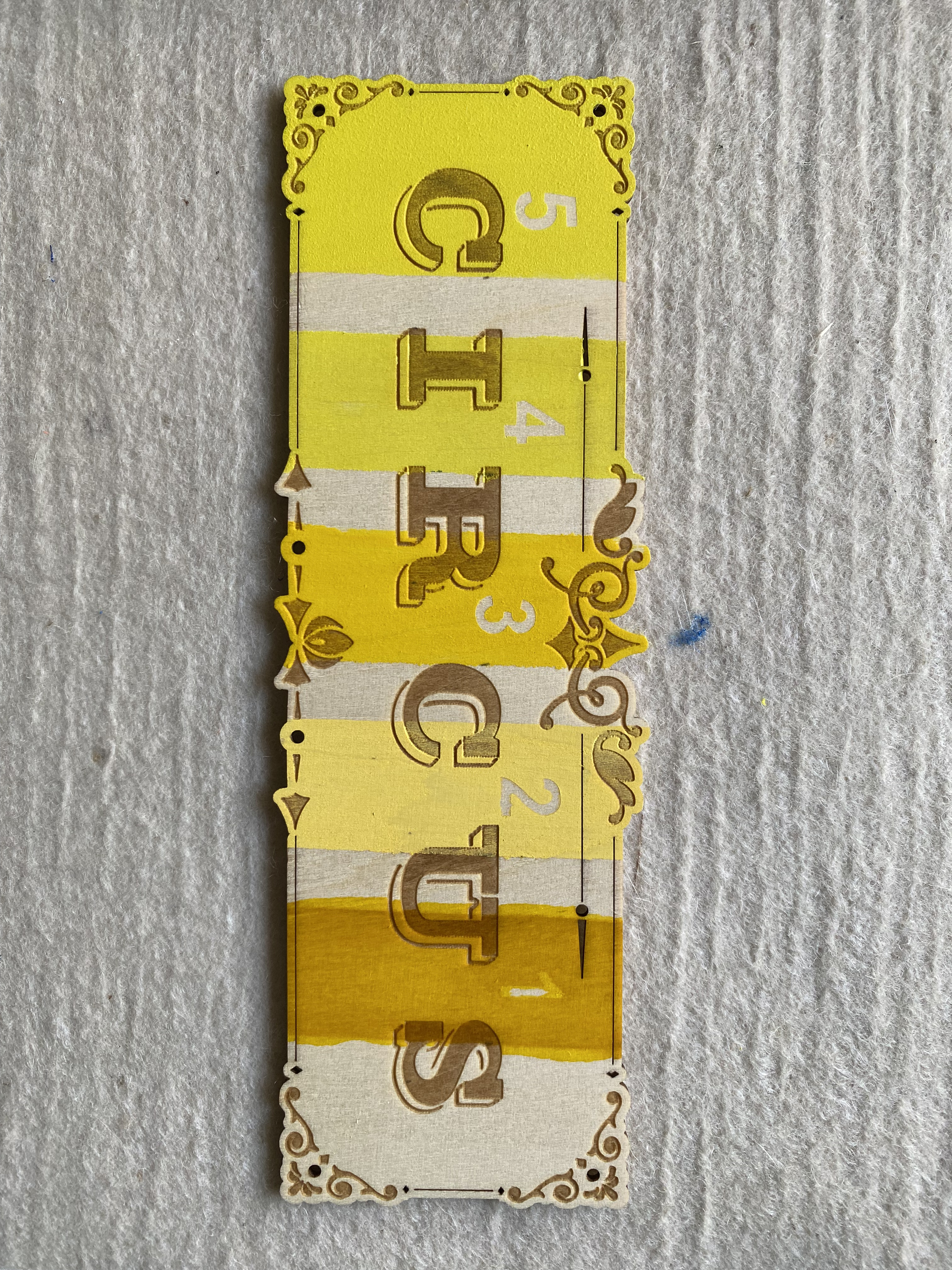
This is a PAINT STUDY postings.
It is intended for anyone, especially beginners in this group, who want to know more about painting wood (plywood) parts. More advance builders who already paint their parts might not agree with any of this data and findings, that’s OK. There is no one set way to do anything.
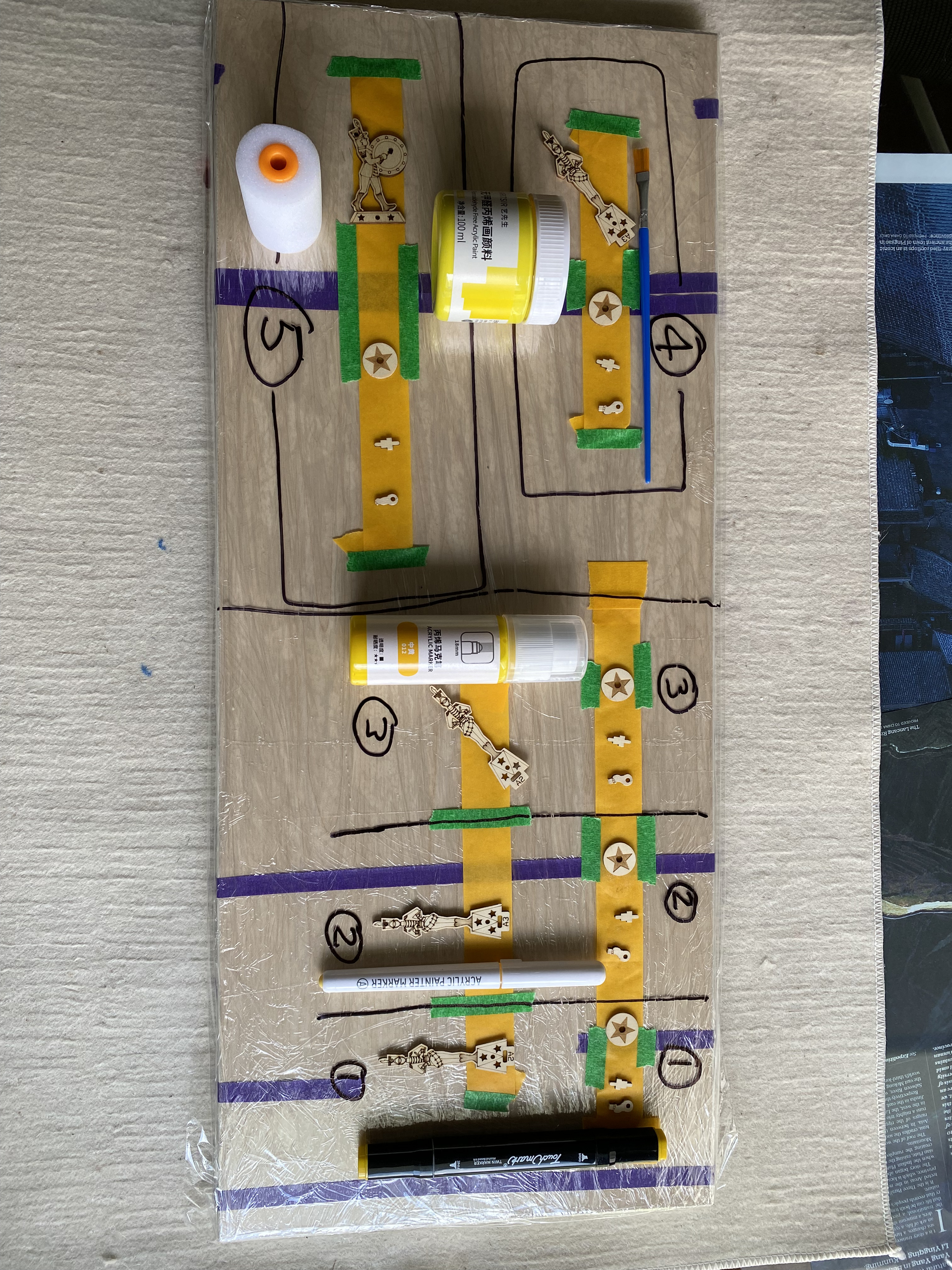
There are five (5) different painting processes in this study.
The colour “yellow” was chosen to be the test colour based on one selection criteria- it is a hard colour to use to paint parts with in a single layer application test protocol. Since every paint material manufacturer out there has a slightly different yellow, there is naturally a bit of hue mis-matches, except for Process 4 and 5, they were able to use the same container of acrylic paint.
Additionally, NO WATER was added to any of the paints. If a builder is using say a water-based stain, or diluting with water their acrylic paints to have better flow, then you do run the risk of the plywood substrate absorbing and potentially swelling. The data in this study revealed there was no wood swell after painting.
Process 5 foam roller painting is all I ever do in my builds using jar acrylic paint. There is a HUGE difference between acrylic bottle paints and tube/jar acrylic paints.
Pourable acrylics in bottles generally have significantly more water to achieve a fluid consistency, while traditional tube acrylics are thicker and contain more pigment, with less water. The base of acrylic paint is water, and tube paints, especially artist-grade “heavy body” paints, will have a high water content of around 45-55%, but this is still much less than what is needed for pouring. Pouring paints or those thinned for pouring will have a much higher water ratio to achieve the desired flow.
Tube Paint (Heavy Body/Soft Body Acrylics)
Consistency: Thicker, with a heavy or soft body that requires thinning for pouring.
Water Content: Typically contains 45-55% water as a base, but this is not enough to make it pourable without modification.
Pigment: Often contains more pigment, making it a higher quality paint.
How to make it pourable: Water is used to thin tube paints for pouring, but it’s best to use a pouring medium or Floetrol to help maintain the paint’s integrity.
Pourable Paint (In Bottles)
Consistency: Specifically formulated to be fluid and flowable, often from the start.
Water Content: Will have a significantly higher water content than tube paints to reduce viscosity and achieve a pourable consistency.
Purpose: Designed for techniques like acrylic pouring and fluid art.
Types: Can be either pre-mixed pouring paints that are naturally thinner or specially formulated fluid acrylics that have a very low viscosity.
Key Difference:
The main difference is not the presence of water, but the amount. Pourable paints have a much higher water-to-paint and water-to-medium ratio compared to tube paints, which are designed to be thinned down by the artist or are thicker to begin with.
Thank you so much for taking the time to create this painting tutorial. It will be incredibly helpful for DIY & crafting enthusiasts. On behalf of all our fans, I’d like to thank you for the wonderful contribution you’ve made to our forum.