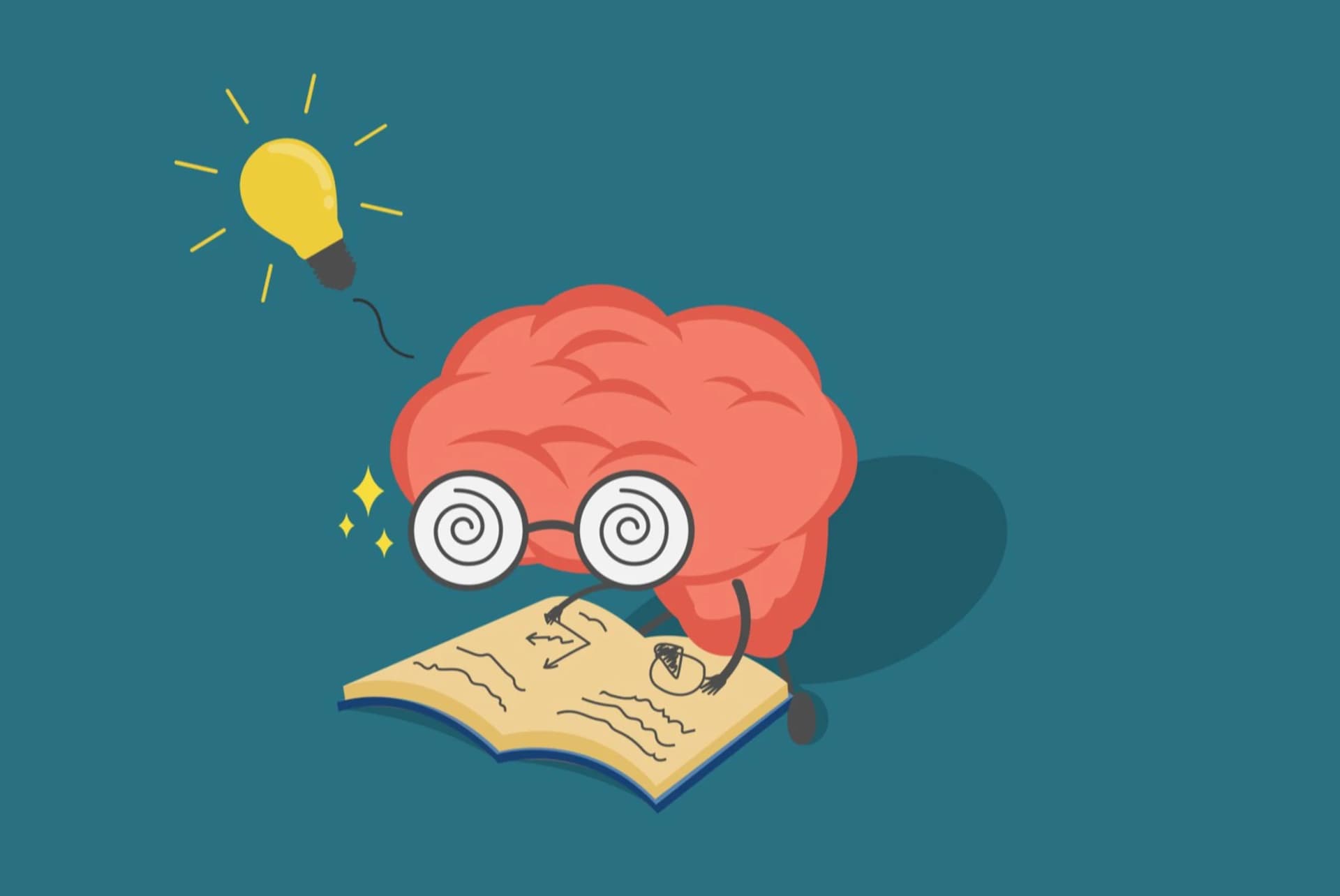
Assembling 3D puzzles (or engaging with puzzles like jigsaws and spatial brain‑games) requires you to remember sequences of pieces, structural layers, colors, and instruction steps—all while visualizing and manipulating them in real time. This process trains both short-term memory (holding information temporarily) and working memory (actively managing that information).
 What Does the Research Say?
 1. Real‑World Leisure Activities & Working Memory
A recent study involving 1,652 adults aged 21 to 80 assessed different types of leisure (physical, mental, social, cultural, passive) and their effects on working memory.
- Participants who engaged in mental hobbies (like puzzles) showed better performance in both verbal and spatial working memory tasks, compared to those in passive leisure groups.
- Notably for older adults, puzzle-like hobbies strongly correlated with greater working memory accuracy and faster processing in a computerized n-back task—a widely accepted measure of memory ability.
 2. Puzzle Games & Cognitive Improvement
A meta-analysis of randomized controlled trials (RCTs) among older adults with cognitive impairment found that participation in serious games—including puzzle-based games—led to significant improvements, particularly in:
- Working memory: Standardized Mean Difference (SMD) ≈ 0.31 (95% CI 0.01–0.60),
- Nonverbal memory: SMD ≈ 0.46.
An SMD of 0.31 roughly corresponds to a medium effect size, meaning these gains are meaningful, not just statistically significant, but noticeable in real-world performance.
 3. Puzzle Game RCT on Healthy Adults
In a pilot randomized controlled trial, healthy adults (~mean age 59) engaged in adaptive puzzle ‑game training on tablets for 8 weeks.
- They showed improvements in visual attention and visuospatial cognition after puzzle exposure versus newspaper-reading controls, measured with standardized neuropsychological tests.
 Why Does Puzzle‑Type Activity Help Short‑Term Memory?
- Holding & Manipulating Information
Assembling a 3D puzzle involves tracking multiple details (which piece goes where, color patterns, structure order)—exercising memory storage and real-time retrieval. - Mental Rotation & Spatial Tracking
Working memory tests such as n-back and Corsi block span evaluate visual‑spatial capacity. Structuring puzzle tasks mimics these demands, encouraging neuroplastic enhancements in these systems. - Chunking & Sequencing
Builders often group pieces by color or layer (chunking), which reduces cognitive load and boosts recall efficiency—an established strategy in memory research. - Adaptive Cognitive Engagement
Progressive puzzle difficulty challenges memory gradually, similar to how computerized puzzle training adapts to performance level in research settings.
Summary
Strong evidence from leisure-activity studies and controlled trials shows that structured puzzle engagement reliably boosts short-term and working memory, especially in visual-spatial domains. Participants typically demonstrate measurable gains in memory accuracy and processing speed, comparable to those seen in clinical cognitive training. By exercising memory through puzzle assembly, you’re effectively doing a brain workout that builds mental resilience and agility.
 Practical Takeaway
- Do structured puzzle activities regularly (3D, jigsaws, spatial puzzle games) for 30–60 minutes, two to three times per week.
- Increase complexity gradually—start with simpler puzzles and work up to more intricate 3D models.
- Use chunking strategies—group by color, shape, or layer to reinforce memory paths.

 nice article
