When you come across a miniature café displayed in a shopping mall window, a cultural creative store, a bookstore, or a model exhibition, have you ever found yourself stopping for a closer look?
You may find yourself drawn closer to explore this tiny world: What plants are placed by the window? What books are arranged on the shelves? Are the tableware and decorations as delicate as those in the real world? Before you know it, you may even begin to wonder — what kind of story once happened here?
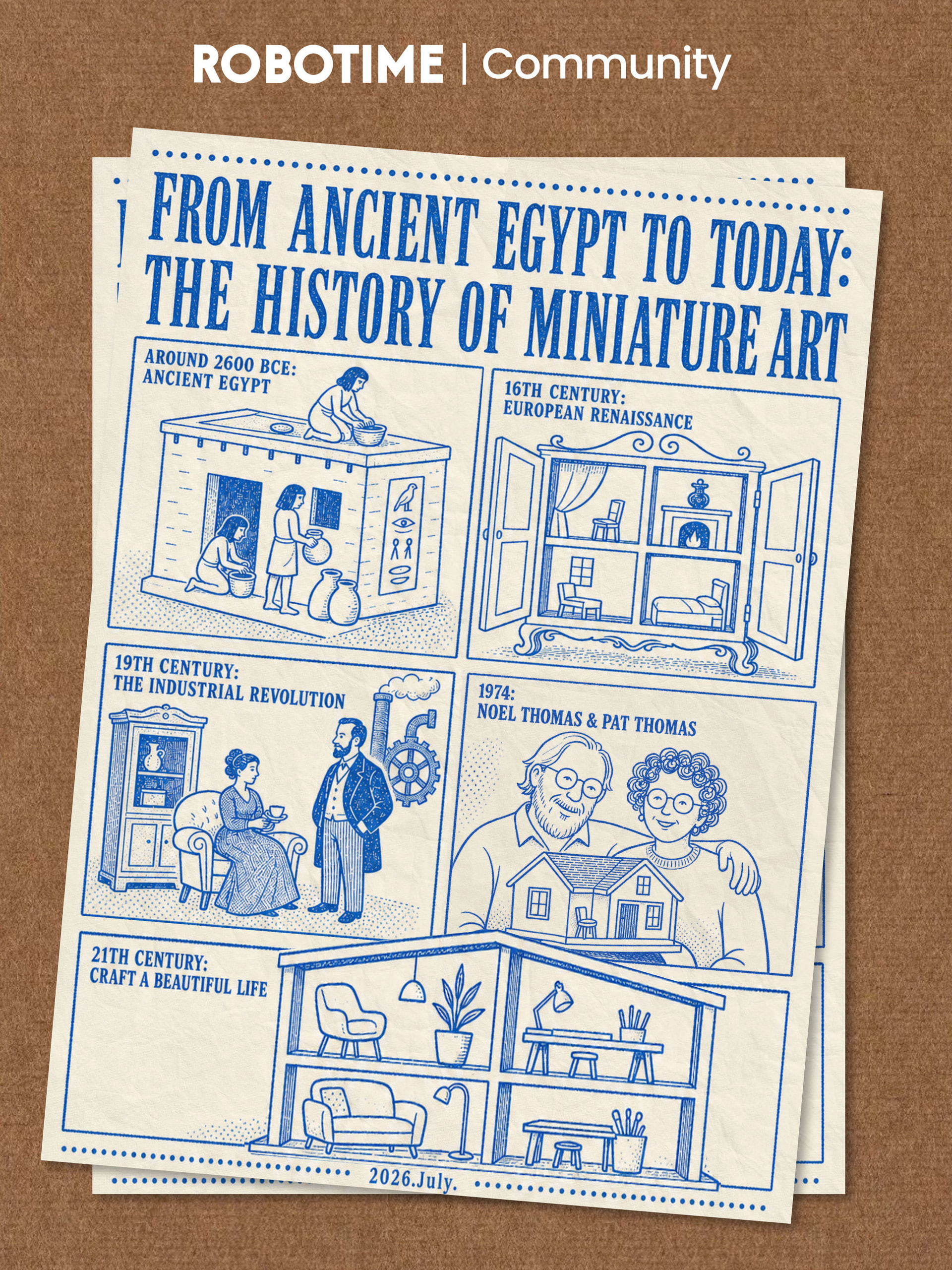
 This is the charm of Miniature. Inspired by the real world, miniature creations recreate buildings, furniture, streets, gardens, and even entire living scenes in a smaller scale, allowing people to experience a complete and realistic world within a limited space. Today, Miniature has developed into many different forms, including Miniature Houses, Room Boxes, Dioramas, and various themed miniature scenes, with Miniature Houses being one of the most widely recognized forms (NATIONAL ASSOCIATION OF Miniature Enthusiasts, n.d.).
 However, Miniature is not a modern hobby that only appeared in recent years. In fact, the history of creating miniature worlds stretches back thousands of years. Let’s follow this timeline and discover how these small worlds have gradually evolved into what they are today.
 Around 2600 BCE: The Beginning of Miniature in Ancient Egypt
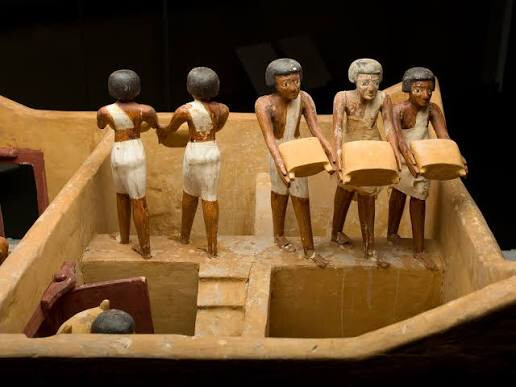
The earliest known examples of Miniature can be traced back to ancient Egyptian civilization.
Archaeologists have discovered numerous miniature objects in ancient Egyptian tombs, including houses, furniture, boats, human figures, animals, and everyday items. Although these creations were small in size, they were carefully crafted with remarkable structures and details, offering modern people a glimpse into the daily lives of thousands of years ago.
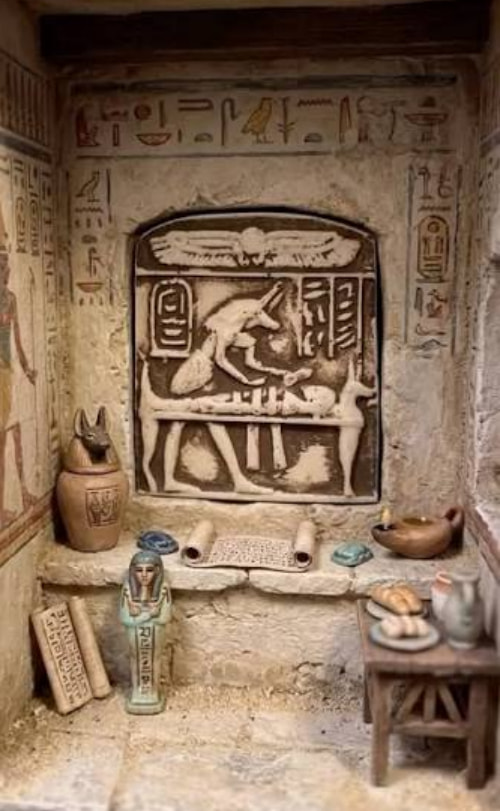
Interestingly, these creations were not made for decoration or entertainment, nor were they designed as children’s toys. Ancient Egyptians believed that life continued after death, so they placed miniature objects in tombs as funerary items, hoping that the deceased could continue to enjoy homes, furniture, boats, and servants in the afterlife. In other words, the earliest Miniatures were not simply works of art, but carriers of faith and hope (British Museum, n.d.; Smithsonian Institution, n.d.). 
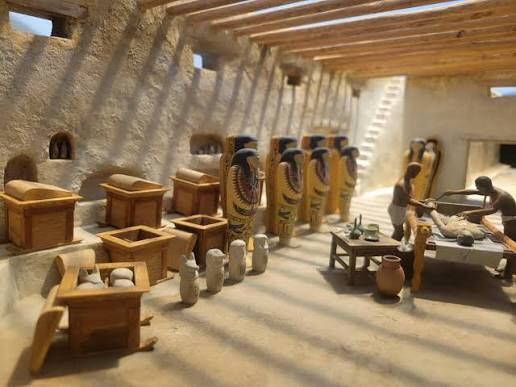
Although their purpose was completely different from today’s Miniatures, these ancient creations already reflected one of the most important characteristics of miniature art — recreating the real world through reduced scale. This shows that humanity’s desire to create “a smaller version of the world” has existed for thousands of years. 
 The 16th Century: Miniature Transformed from Belief into Art
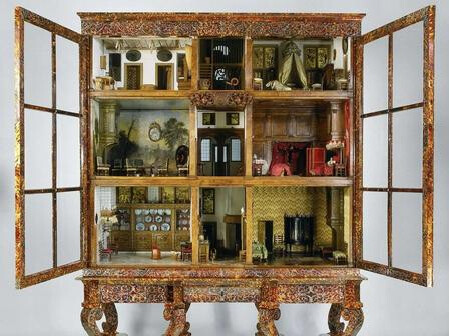
By the 16th century, the meaning of Miniature began to change significantly.
In European countries such as the Netherlands, Germany, and England, a special type of miniature house known as the Cabinet House or Baby House became increasingly popular. Although they looked similar to modern dollhouses, these creations were not designed for children. Instead, they were treasured collections owned by wealthy families.
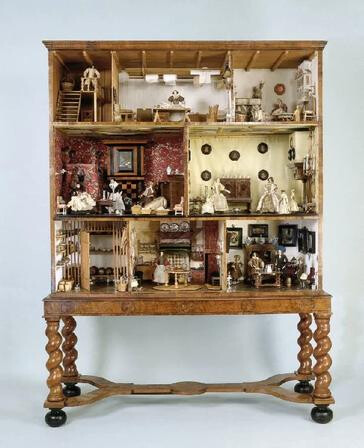
Creating a sophisticated Miniature House often required the collaboration of skilled craftsmen, including woodworkers, sculptors, textile makers, and furniture artisans. Every detail — from wallpaper and wooden floors to porcelain, silverware, curtains, and furniture — was carefully recreated according to real-life interiors. Some miniature drawers could even be opened, and tiny tableware could be arranged just like in an actual home. 
For the wealthy, these miniature houses were not only valuable collections but also symbols of status, taste, and craftsmanship. Miniature gradually moved beyond religious purposes and developed into an art form that combined architecture, furniture design, decoration, and traditional craftsmanship, allowing more people to appreciate the beauty hidden within these tiny worlds (NAME, n.d.; Victoria and Albert Museum, n.d.).
 The 19th Century: Miniature Entered More People’s Lives
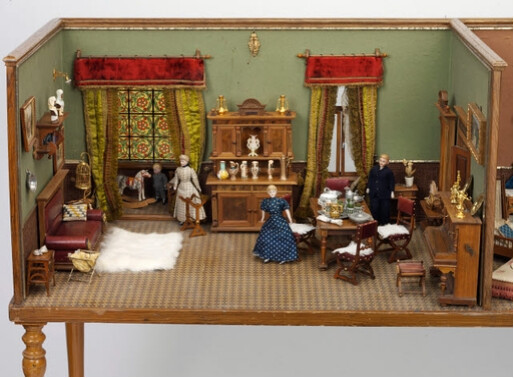
The Industrial Revolution changed many aspects of society, and it also transformed the development of Miniature. 
With advances in woodworking, metalworking, and manufacturing technologies, materials for creating Miniatures became more accessible, while production costs gradually decreased. What was once an exclusive collection for the wealthy began to enter more ordinary households. 
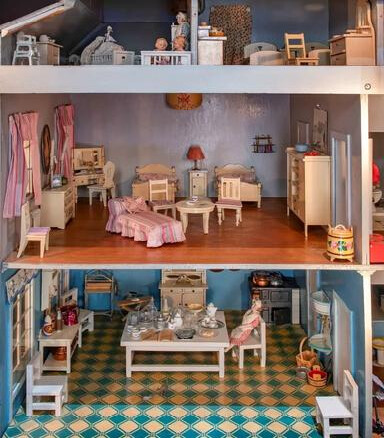
At the same time, the themes of Miniature became increasingly diverse. Beyond traditional Miniature Houses, creators began making miniature shops, classrooms, train stations, gardens, streets, and countryside scenes. Instead of simply recreating existing buildings, artists started using Miniature as a way to design and build worlds of their own imagination. 
During this period, internationally recognized scales such as 1:12, 1:24, and 1:48 gradually became widely adopted. These standardized proportions allowed furniture, figures, and architectural elements created by different makers to work together, laying the foundation for modern miniature creation ( NATIONAL ASSOCIATION OF Miniature Enthusiasts, n.d.). 
1974: Miniature Began to Tell Stories
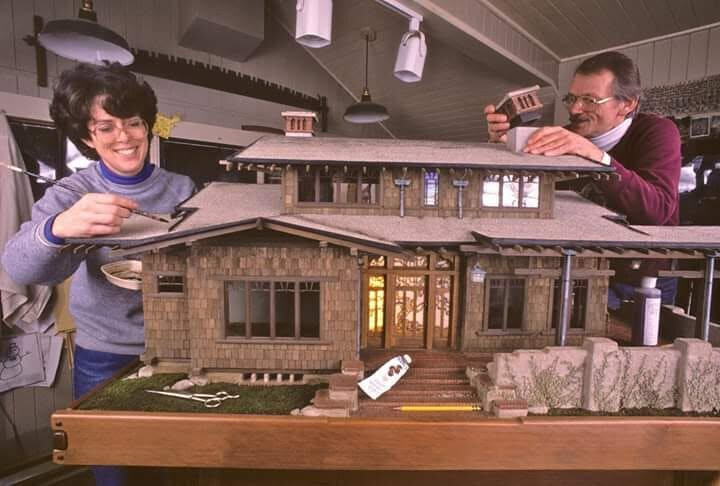
Entering the 20th century, creators began asking a new question:
Does a Miniature always need to be perfect and brand new? 
American miniature artists Noel Thomas and Pat Thomas offered a different answer.
Beginning in 1974, the couple devoted decades to creating miniature buildings. Their works were not simply beautiful houses — they were stories waiting to be discovered. 
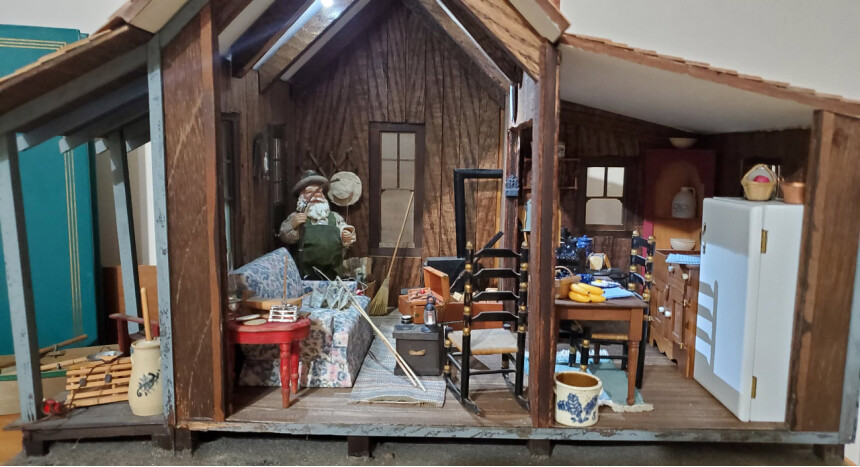
Rather than pursuing flawless and untouched appearances, they focused on giving their creations a sense of time and history. Walls might show subtle signs of fading, wooden doors might carry traces of use, and miniature plants and garden details might appear as though they had experienced the changing seasons. Through these carefully crafted details, a tiny building became more than a model — it became a world that felt truly lived in.
This style, filled with a sense of life and passing time, later became known among collectors as “Thomas Grunge”. Their creations helped more people understand that an excellent Miniature is not simply a smaller version of reality. Instead, it can inspire imagination and invite viewers to wonder: What happened here? Who lived here? Every observer is free to create their own story (Thomas Open House, n.d.). 
 Today: Miniature Is Not Just About Shrinking the World, but Creating One
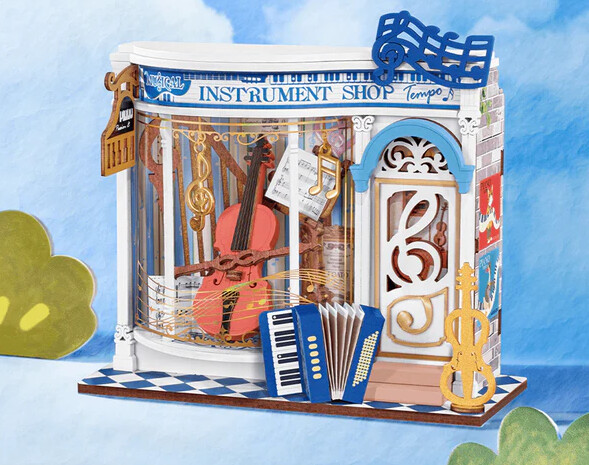
Today, Miniature has become a creative field that connects architecture, design, modeling, art, and DIY craftsmanship.
Some people enjoy building cozy Miniature Houses, while others prefer creating lively cafés, bookstores, gardens, train stations, or imaginary fantasy worlds. With the development of lighting systems, electronic components, 3D printing, and new materials, Miniature has continued to expand, allowing creators to bring more ideas and imagination into their work. 
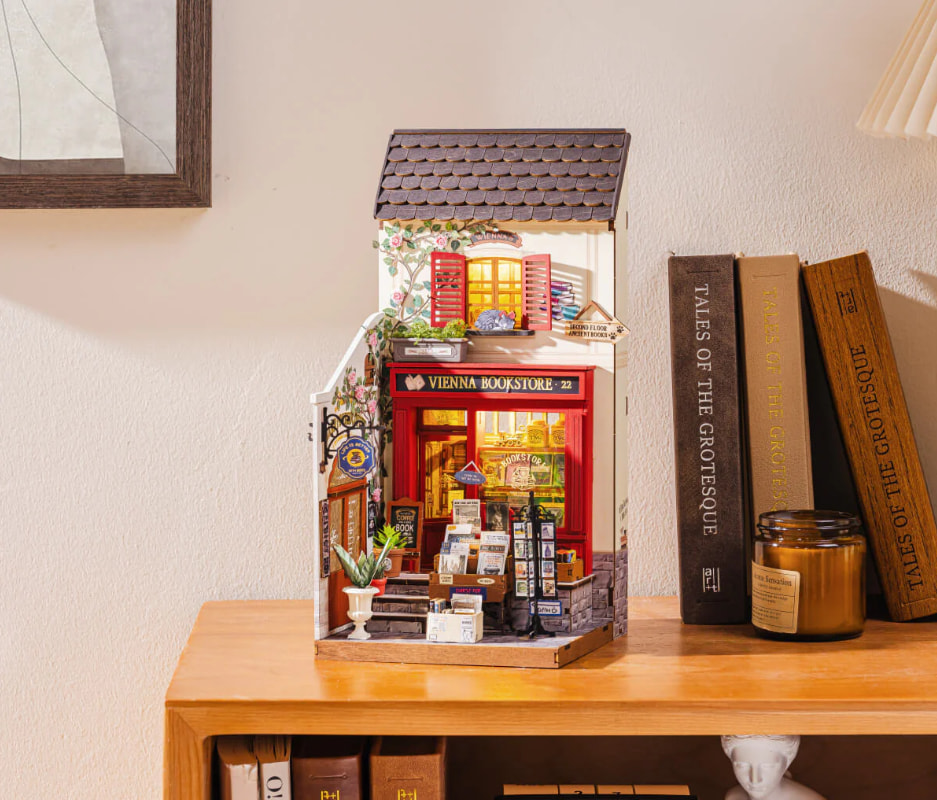
Regardless of the theme, all Miniatures share one common purpose: they use limited space to tell a complete story.
Perhaps this is why Miniature has survived and evolved for thousands of years. From ancient Egyptian funerary models, to European aristocratic Miniature Houses, to today’s increasingly popular DIY miniature creations, people have always wanted to use their hands to preserve beautiful moments, memories, and dreams within a small world. 
For today’s DIY enthusiasts, completing a Miniature is not simply about assembling pieces together. It is about creating a personal story with their own hands. Through brands such as Rolife, which continue to introduce Miniature Houses and themed miniature scenes, more people can experience this creative tradition that has continued across thousands of years.
References
British Museum (n.d.) Ancient Egyptian daily life and funerary models. Available at: https://www.britishmuseum.org/ (Accessed: 16 July 2026).
National Association of Miniature Enthusiasts (NATIONAL ASSOCIATION OF Miniature Enthusiasts) (n.d.) NATIONAL ASSOCIATION OF Miniature Enthusiasts. Available at: History of Miniatures | National Association of Miniature Enthusiasts (NAME) (Accessed: 16 July 2026).
Smithsonian Institution (n.d.) Ancient Egyptian collections. Available at: https://www.si.edu/ (Accessed: 16 July 2026).
Thomas Open House (n.d.) Gallery. Available at: Noel & Pat Thomas Miniatures (Accessed: 16 July 2026).
Victoria and Albert Museum (n.d.) Dolls’ Houses and Miniatures Collection. Available at: https://www.vam.ac.uk/ (Accessed: 16 July 2026).


 It’s very informative and interesting. I love how the fascination with miniatures started as early as BC.
